
The Fabric of Fifty Years
“You realise eventually this job isn’t really about dresses. It’s about people.”
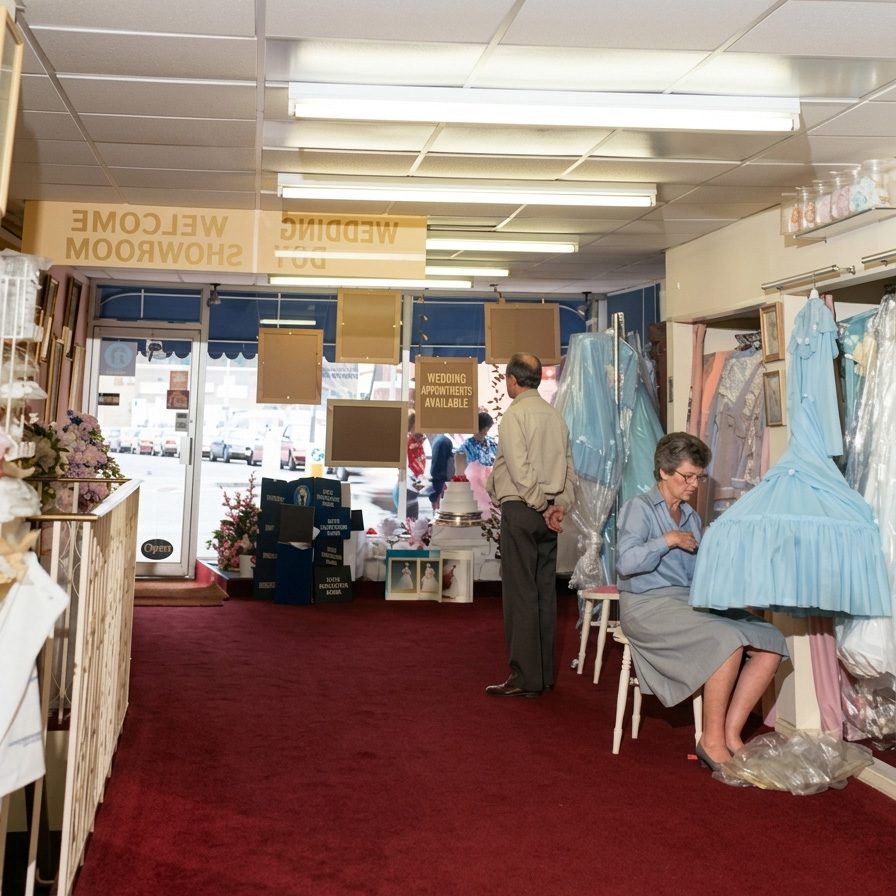
It was New Year’s Day, 1977. A twenty-year-old Kim, with under a thousand pounds to her name, opened a small bridal shop on the Old Kent Road.
Nearly fifty years later, London Bride is still here.
It is easy now to forget how unusual it once was for a young woman to launch a business on her own. At the time, women had only two years previously been granted the right to take out business loans in their own names. Many people would have called the venture risky, but by the end of that very first day, London Bride had already sold dresses.
In 1977, the modern bridal industry as we know it simply did not exist. There were no digital mood boards, no social media feeds and certainly no independent local boutiques. Wedding gowns were largely the domain of large department stores, offering conservative, predictable styles.
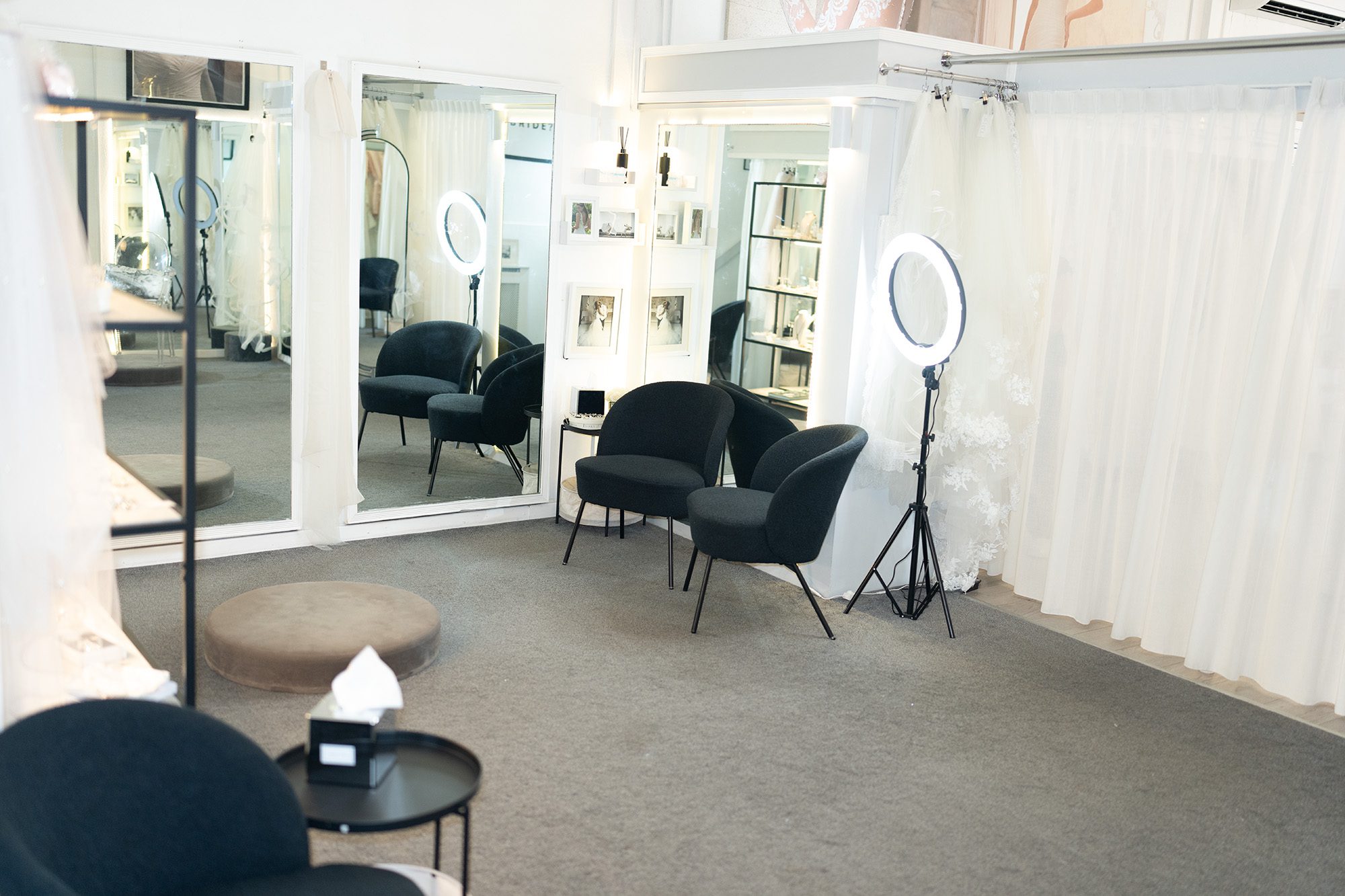
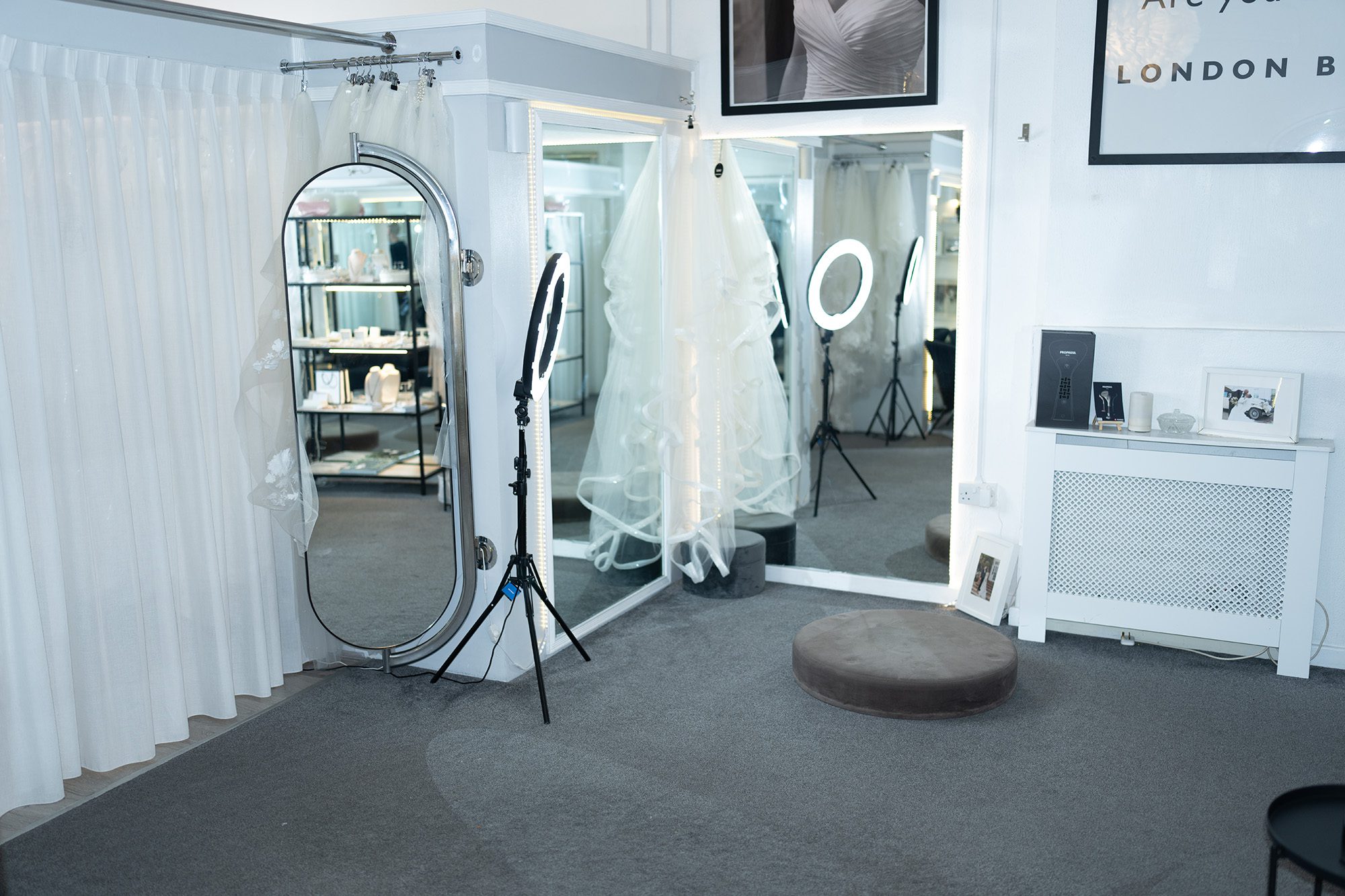
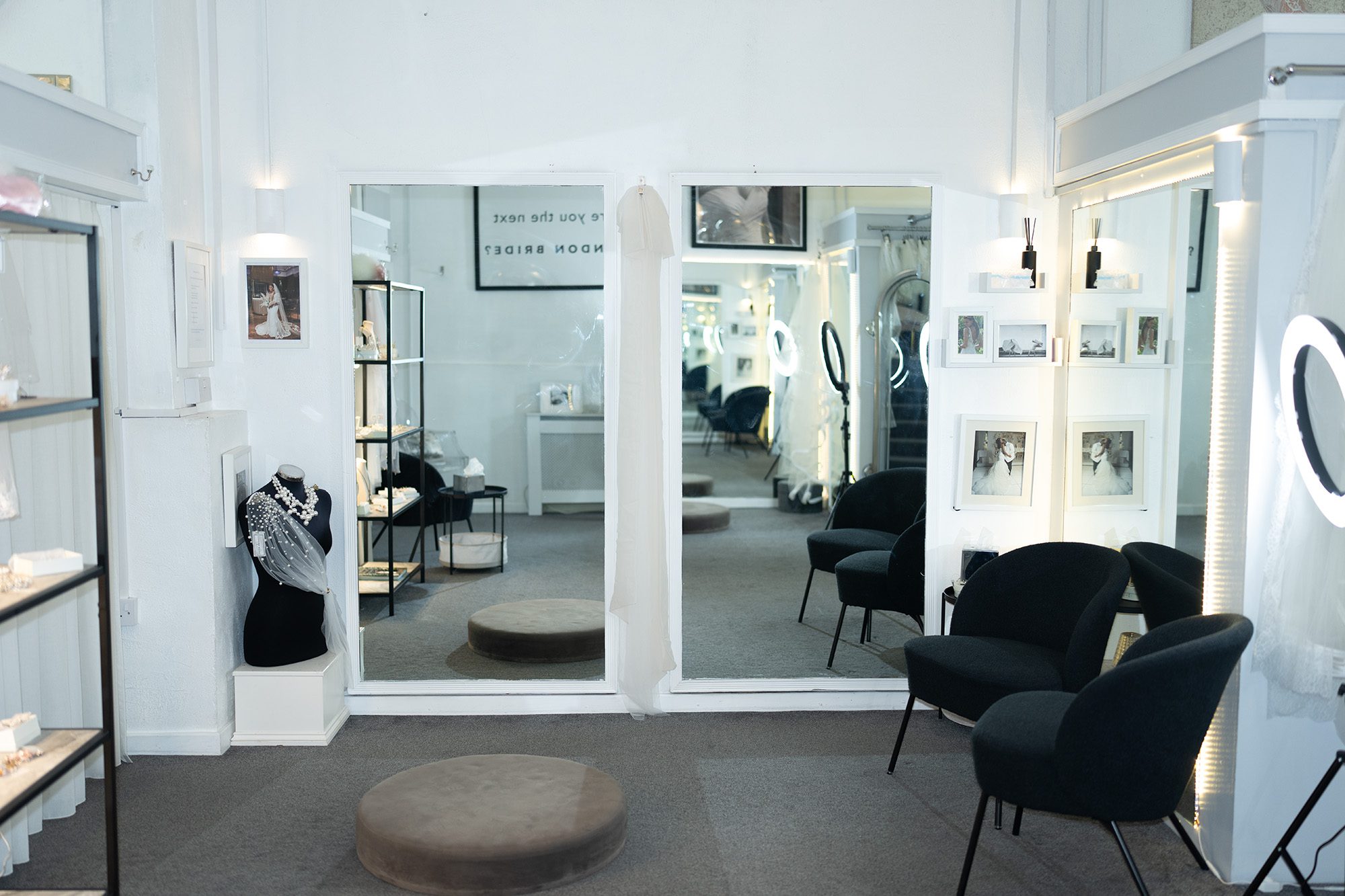
Through every trend and technological leap, the shop has remained a constant. An independent, family-run destination dedicated to guiding brides toward their dream dress.
The Perfect Fit
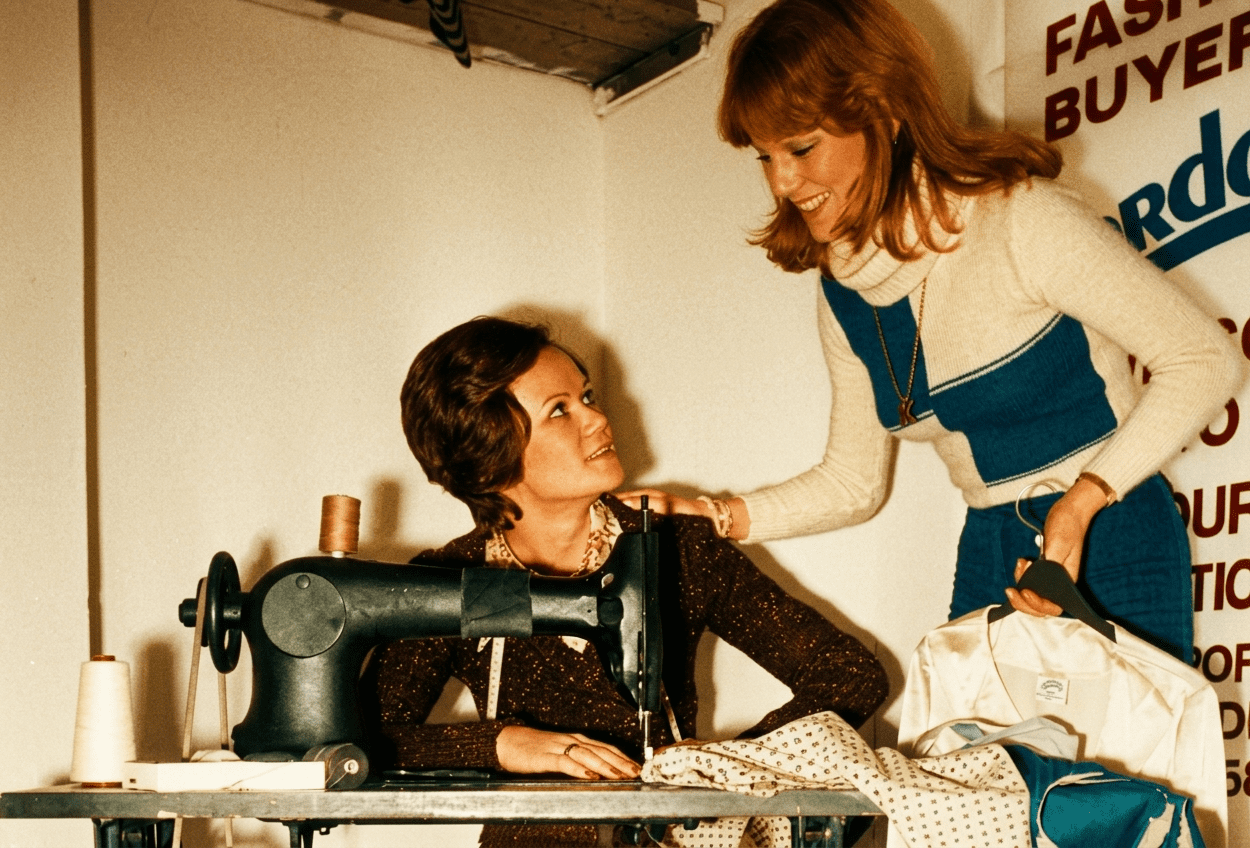
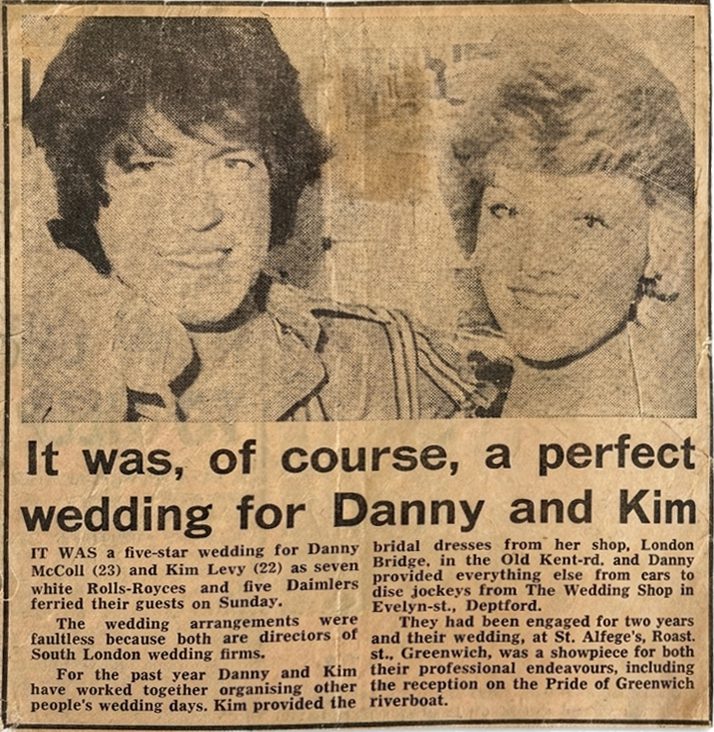
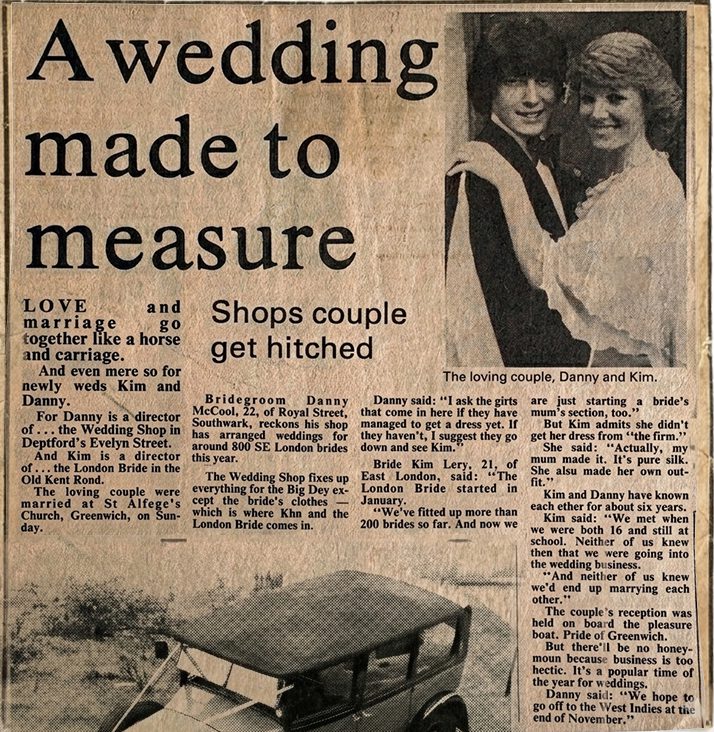
Before London Bride existed, Kim was working in fashion. She started in the rag trade at sixteen before moving into buying roles at John Lewis and other fashion houses. Simultaneously, her husband Danny was building his own wedding business in Deptford, organising cars, catering, photography, and venues for couples.
There was one question his customers kept asking to which he had no answer: Where should they go for the dress?
“That was the moment I realised it was the perfect opportunity,” Kim recalls.
Bridal shops of the era were formal, traditional, and heavily focused on dress hire. After spending a brief four weeks at Young’s Dress Hire (later Pronuptia) to learn the essentials, Kim opened her own doors. One of her first champions was Ellis Bridals, the original English bridal house. In those early days, Ellis would literally drive replacement stock over to the shop by car, offering Kim credit to help the fledgling business find its feet.
Nearly half a century later, the partnership remains. “They were a wonderful company to deal with, and they still are. The grandson, James, runs it now, and he always welcomes me so warmly because of my history with his grandfather.”
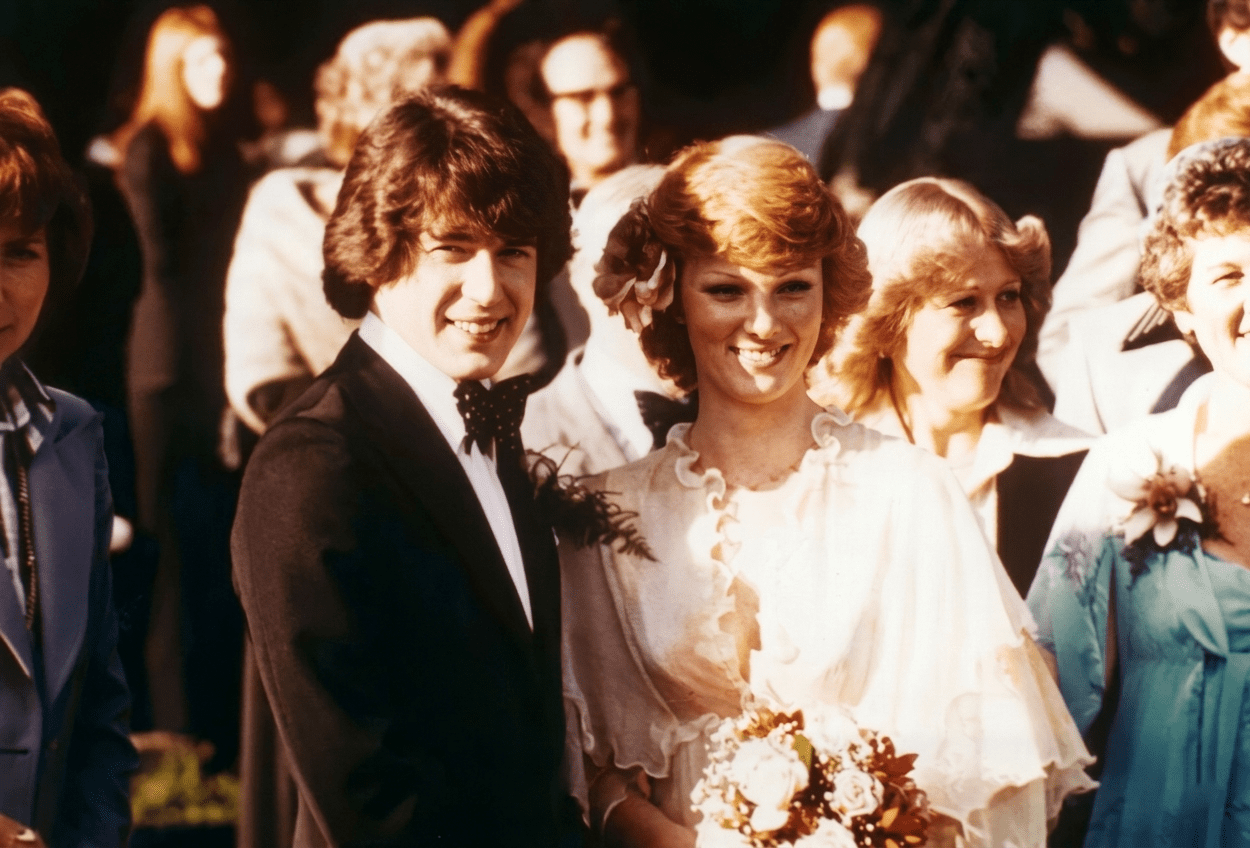
Eight months after opening, Kim got married. Yet, despite her insider access, she couldn’t find a dress she genuinely loved. “The styles were very traditional then,” she says. “Very staid.”
So, she designed her own. With Rene’s help, they crafted a gown from pure John Lewis silk. It was a soft, very pale peach without a veil, which Kim felt “looked so old-fashioned”. It was understated and elegant at a time when bridal fashion was rigidly orthodox. “It was fabulous. Very different,” Kim notes.
That instinct, understanding how women actually wanted to feel rather than blindly following retail trends, quietly became the bedrock of the business.
London Bride Couture
Kim also opened a separate boutique in Pimlico in partnership with her sister-in-law Susan, who had managed the menswear side of the business for many years. the shop focused on a completely different tier of the bridal market. Unlike the affordable high-street fashion at Walworth Road, this branch specialised in high-end designs, mostly from the designer Ian Stuart. Ian worked closely with the shop, frequently coming in to sketch custom dress details on the spot for clients who wanted something completely unique.
The Dresses Tell the Story
Looking back across nearly fifty years of business, the definition of a ‘dream dress’ has constantly shifted from one decade to the next.
In the 1970s, brides leaned conservative, favouring high necks and long sleeves. They married younger and approached the process with very little theatricality.
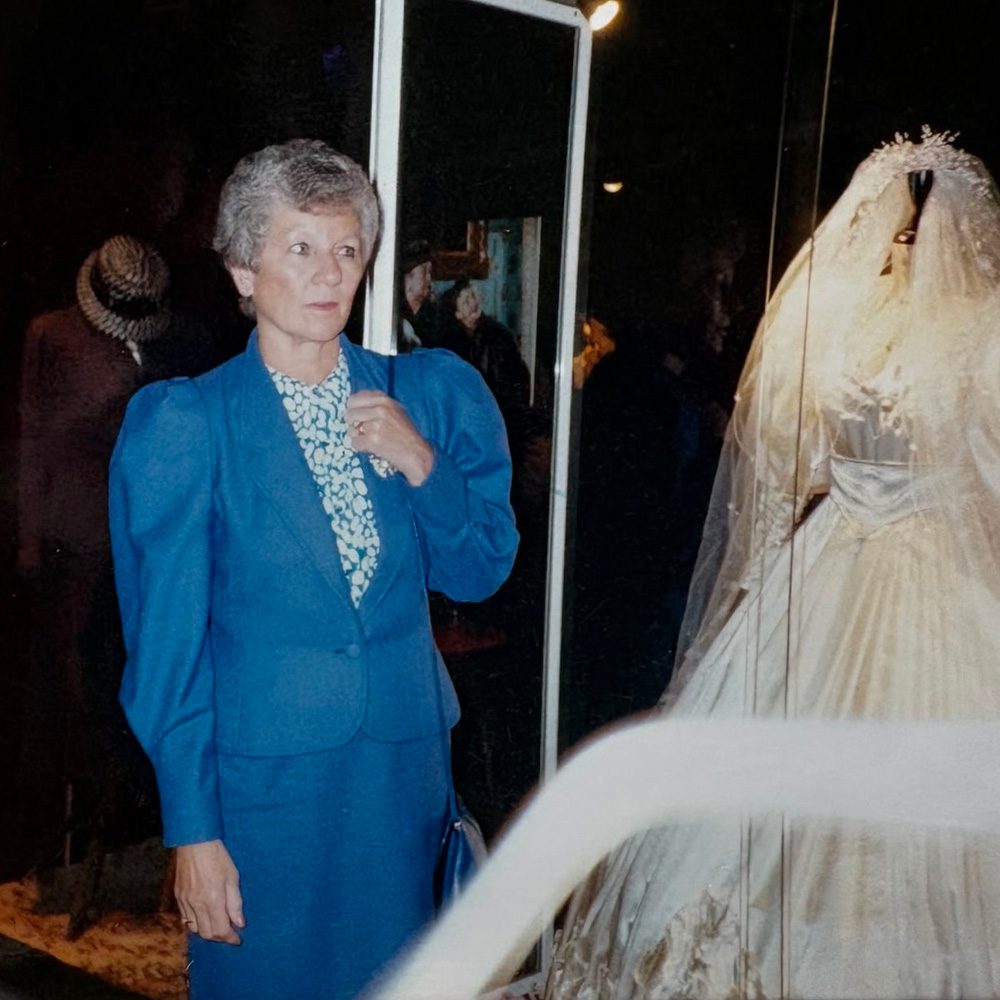
Then Princess Diana arrived in the 1980s, and bridal fashion exploded overnight into pure romance and drama. Puff sleeves expanded, trains stretched endlessly, and girls demanded softness, spectacle, and silk.
Sleek minimalism took over in the 1990s, though Kim never fully embraced the ultra-thin slip dress trend. “You had to be stick thin. It just wasn’t a realistic reflection of the women walking through our doors.”
By the 2000s and 2010s, corsets, coloured embroidery, and massive skirts returned, eventually giving way to the elegant lace and long sleeves inspired by Kate Middleton.
The 1970's
The 1980's
The 1990's
The 2000's
The 2010's
The 2020's
Today, the modern bride is balancing elegance with social media scrutiny. Destination weddings and outfit changes are the norm. Brides often arrive planning a wardrobe for the full event: one look for the rehearsal dinner, one for the ceremony, and one for the evening reception.
But just as dramatic as the shifts in fashion are the shifts in behaviour. Decades ago, brides trusted their own instincts. They visited fewer shops, made decisions swiftly, and didn’t need to photograph themselves from a million different angles.
Now, the fitting room is a fully documented experience. “The dress has to photograph beautifully,” Kim says. Girls arrive mob-handed and expecting prosecco, bringing an entourage where everyone has an opinion and someone is filming for TikTok.
But the moment she zips into the right dress, the distractions disappear and the feeling is exactly the same as it was fifty years ago.
A SHOP LEGEND
While trends come and go, true foundational design stands the test of time. One of the shop’s most legendary successes was the Justin Alexander gown 44080 that defied all conventional retail logic: it sold consistently in every single size, from a four to a twenty-eight. “It suited absolutely everyone; no matter who put it on, they looked incredible,” Kim remembers.
Walworth Road
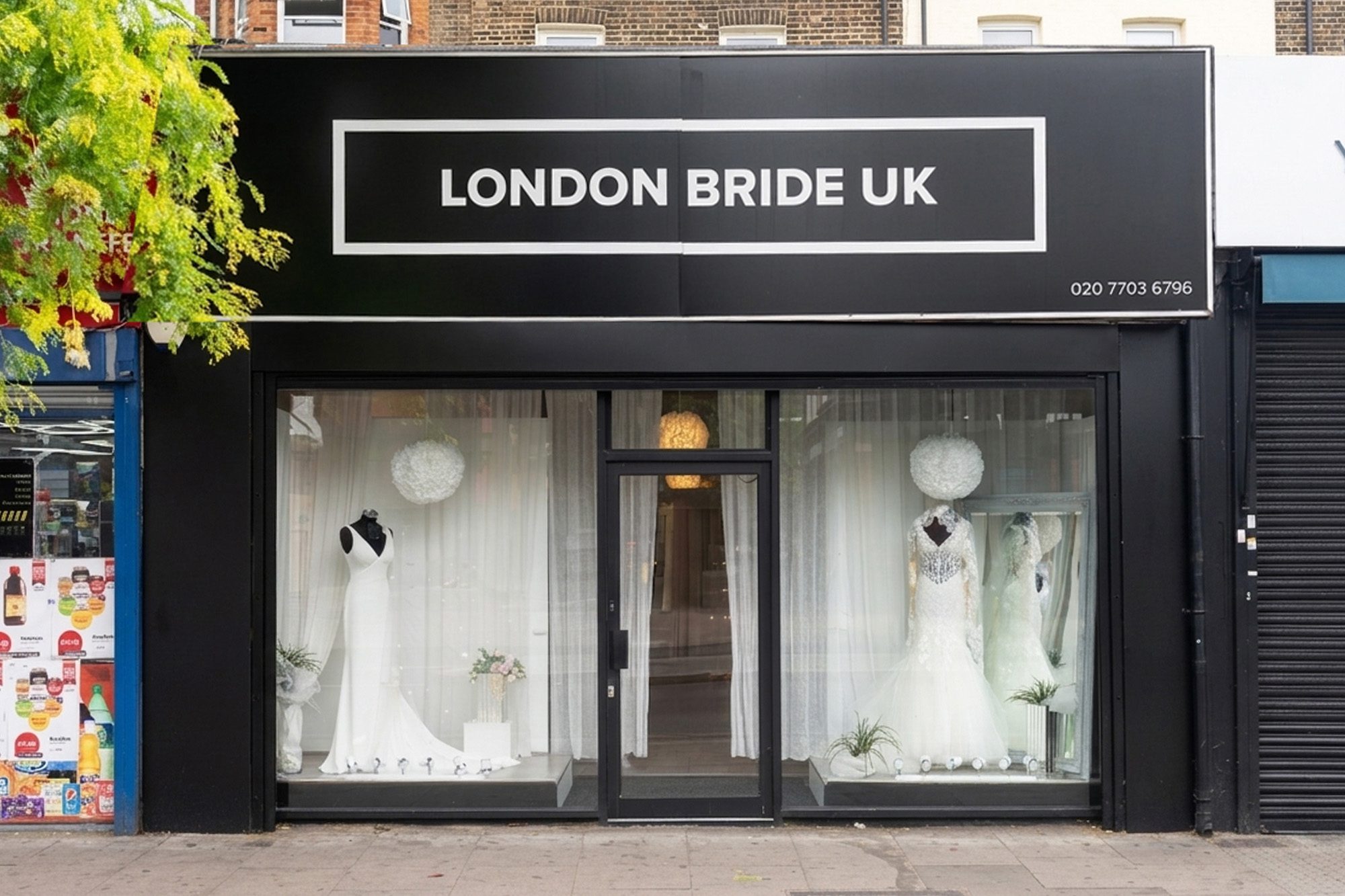
People still occasionally pause outside the windows and ask, “What’s a bridal shop like this doing here?”
After outgrowing the Old Kent Road premises where Kim and Danny lived directly above the shop in a council flat, London Bride relocated to Walworth Road. It has been there ever since.
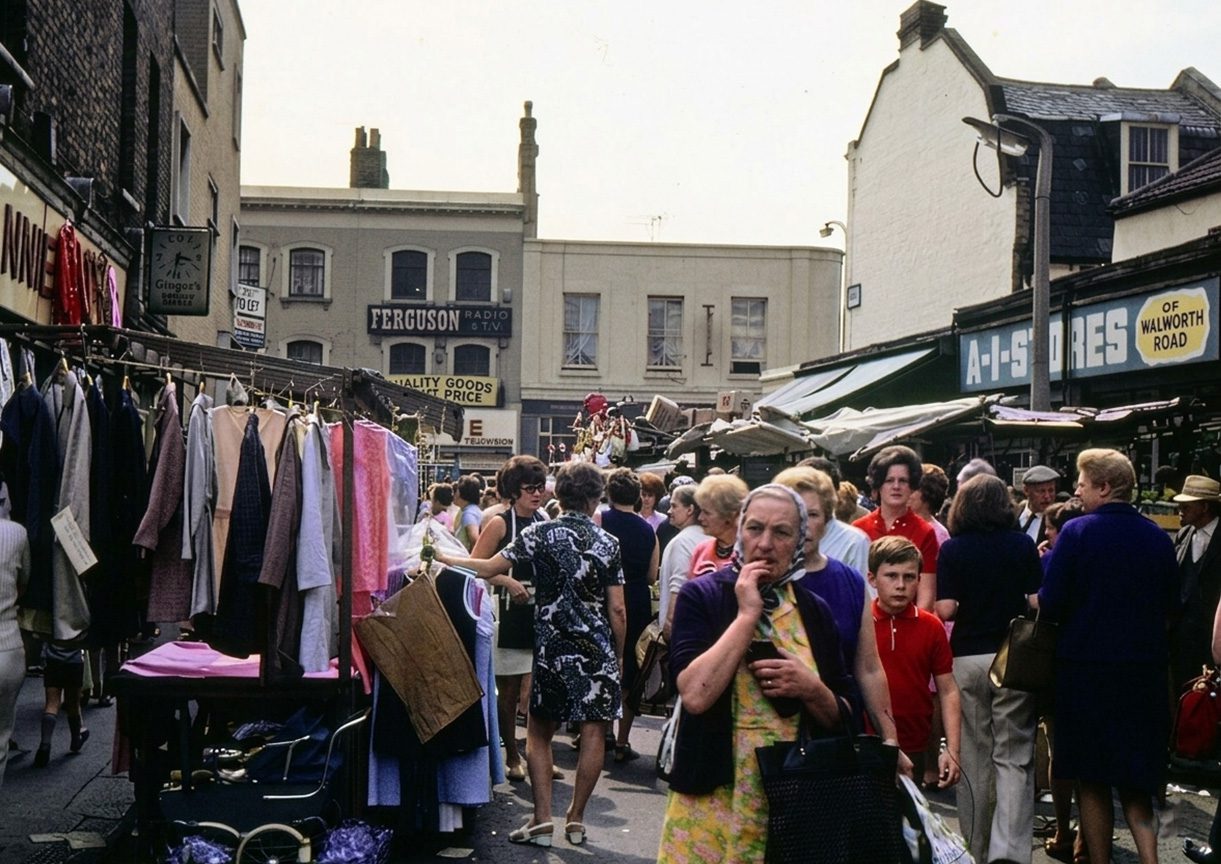
In those days, the area was vastly different to the rapidly modernising Elephant and Castle of today. East Street Market was packed shoulder-to-shoulder every weekend, and independent shops dominated the high street.
Meanwhile, Danny was expanding the wider wedding empire. Under the banner of ‘Getting Married Limited’, he occupied the upper floors while London Bride ran the showroom downstairs. He brought in his father Dan, a former railway porter, to assemble wedding albums by hand in a downstairs photography lab. Long before the retail industry coined the term “experiential retail,” couples could organise almost their entire wedding in one place.
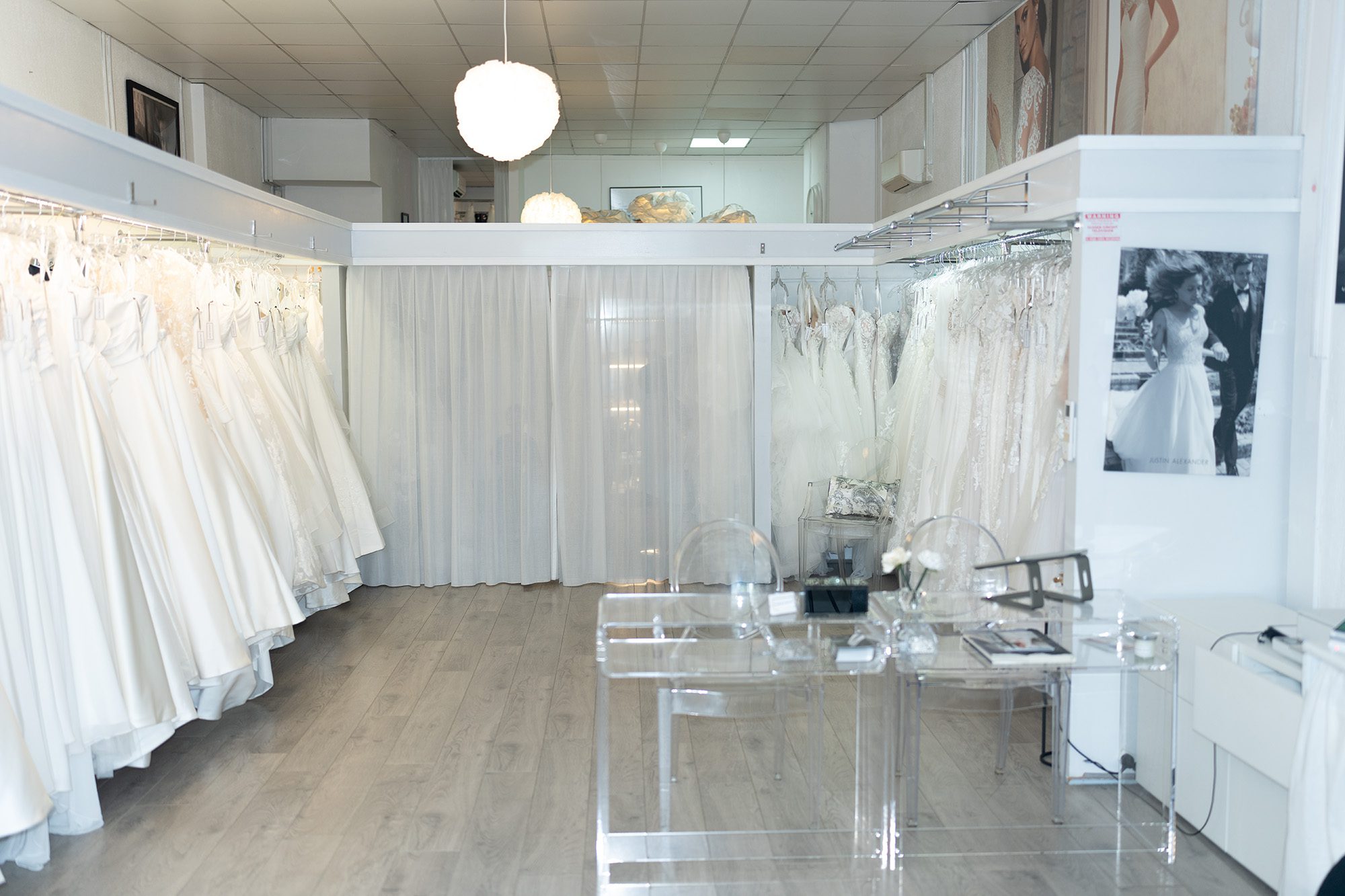
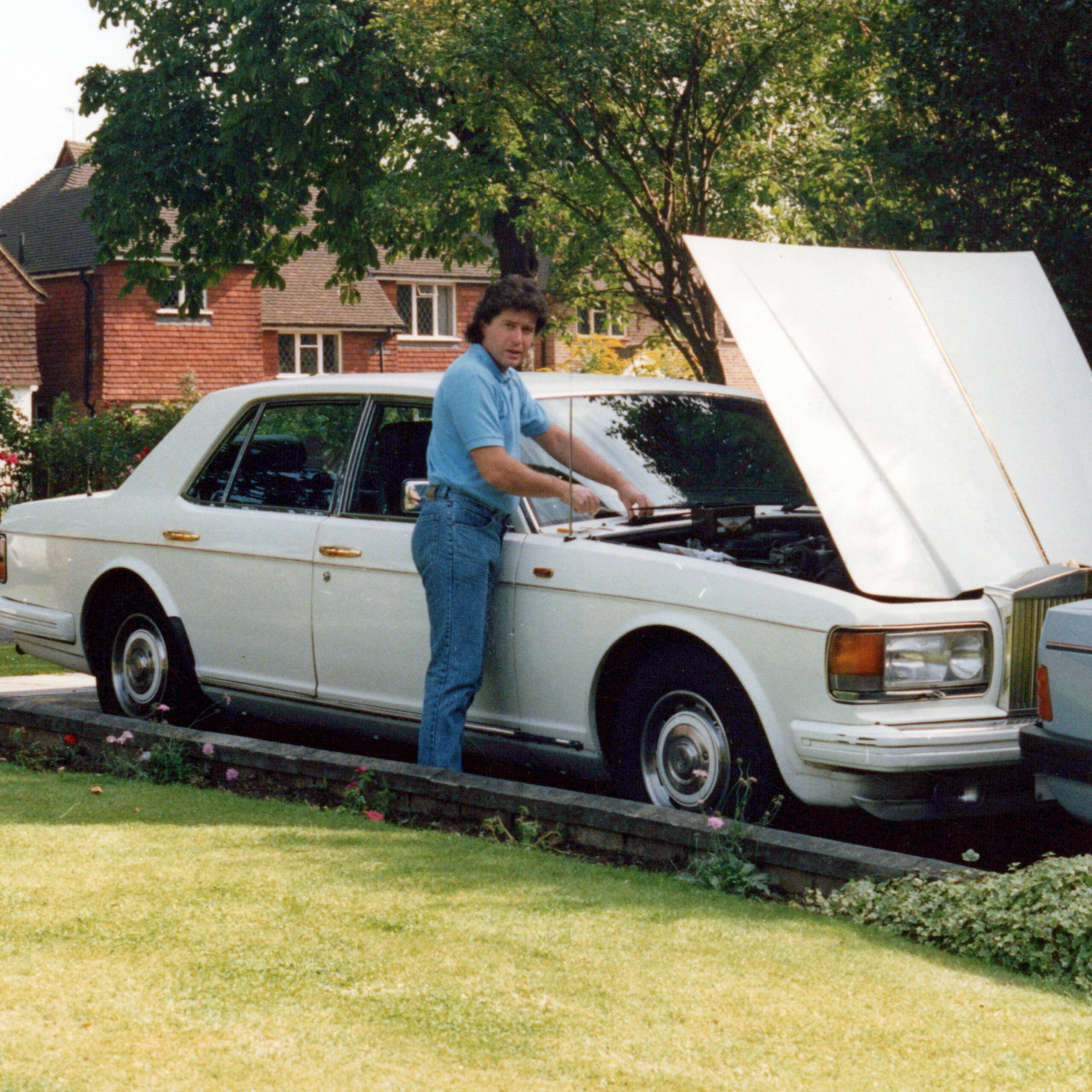
The shop became famous for its electric atmosphere. They would organise bridal exhibition weekends where Danny’s fleet of Rolls Royces lined the street. Downstairs, they threw public fashion shows which nobody had done before. “I roped in friends and family to be the models,” Kim recalls. “It was an absolute sellout.”
Through the decades, dress hire was a vital pillar of the business, particularly when the economy tightened.
“Brides deserved a beautiful wedding, even if purchasing a gown outright was financially out of reach.”
This rental era brought its own unique chaos. Occasionally, dresses were returned pristine. Often, they were not. Some brides decided to join the floor-based group rowing dances that were all the rage, a disaster for a rented silk train. “And then they’d wonder why they didn’t get their full deposit back!” Kim laughs. “The scrubbing to get those stains out was unbelievable. But we managed, and it kept prices down for the girls.”
Their cleaning prowess even caught the attention of national television. In 1995, a researcher for Ariel detergent called the shop to ask how they managed to get the dresses so clean. When Kim casually replied that they just used Ariel, she was invited to feature in a national ‘Retailer Recommends’ television campaign. Though the advert was filmed, it mysteriously never aired, and the family is still hunting for the lost footage today.
Behind the Seams
If you ask Kim about the legacy of London Bride, she speaks about the people far more than the fashion.
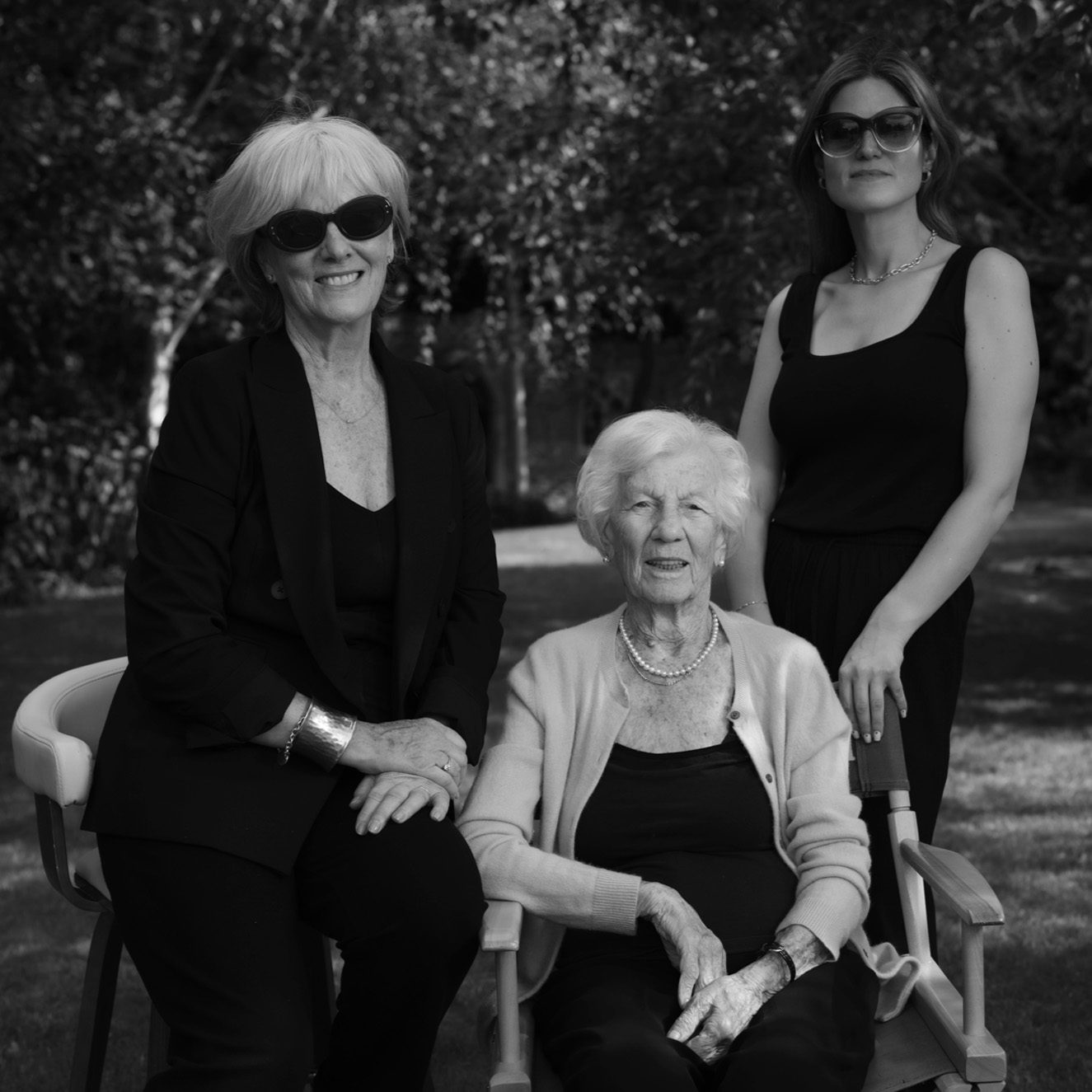
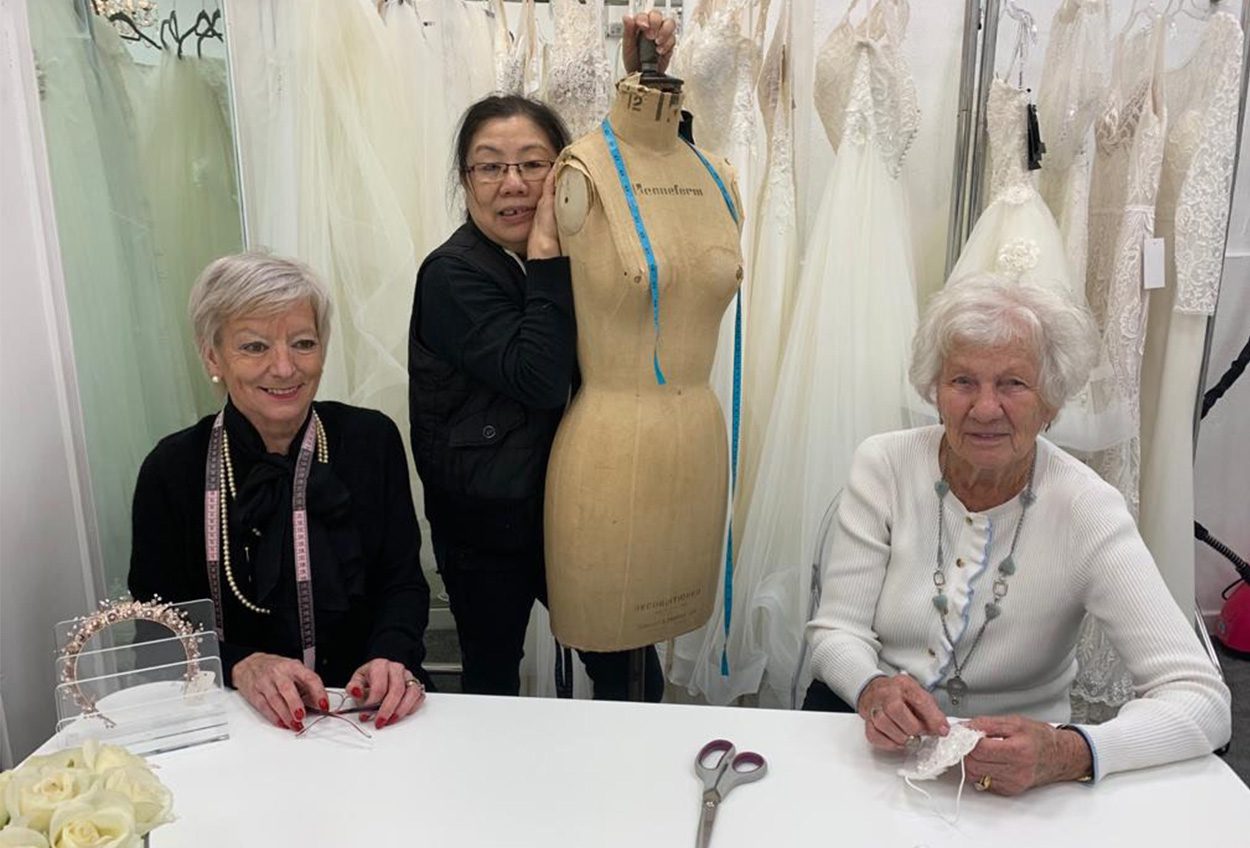
The first of them was her mother, Rene, a machinist who had spent her working life sewing dresses in the East End. In the beginning, she and Kim did the alterations together in the evenings, when they would charge £1.50 a hem.
Beyond Rene, the shop has been defined by many women who worked its floors. A few went on to forge high-profile careers in acting or music (though the shop remains strictly discreet about its famous alumni). Some staff stayed for a quarter of a century. Others famously went on their lunch break on their very first day and simply never returned. Fortunately, the shop’s eye for talent also brought in consultants like Charena, a Central Saint Martins student scouted when she accompanied her mother to a fitting; it was a double-win that resulted in both a sale for the shop and a new addition to the team.
Then there’s Jean, the long-serving alterations seamstress whose razor-sharp wit became the stuff of legend. An anxious bride who was pregnant asked Jean how much room should be left in her waist. “How big do you think I’m going to get?” she said. Jean barely looked up from her sewing machine...
“Darling, I’m a seamstress, not a gynaecologist.”
Mandy, a close family friend since their first-born children were just four years old, has seamlessly managed the technological shifts of the digital age. “She’s instrumental,” Kim says. “She does all the things I don’t get time to do.”
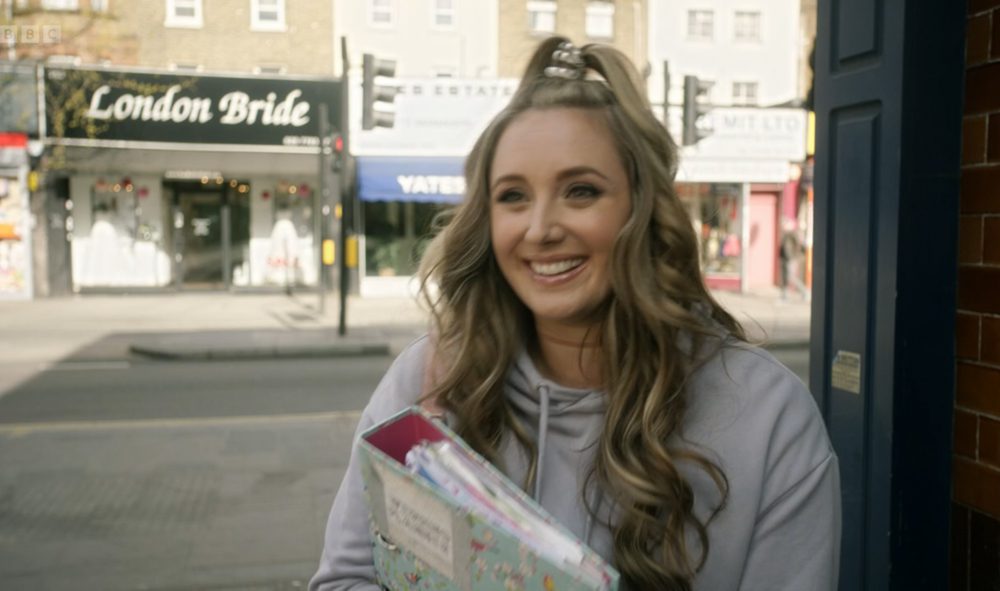
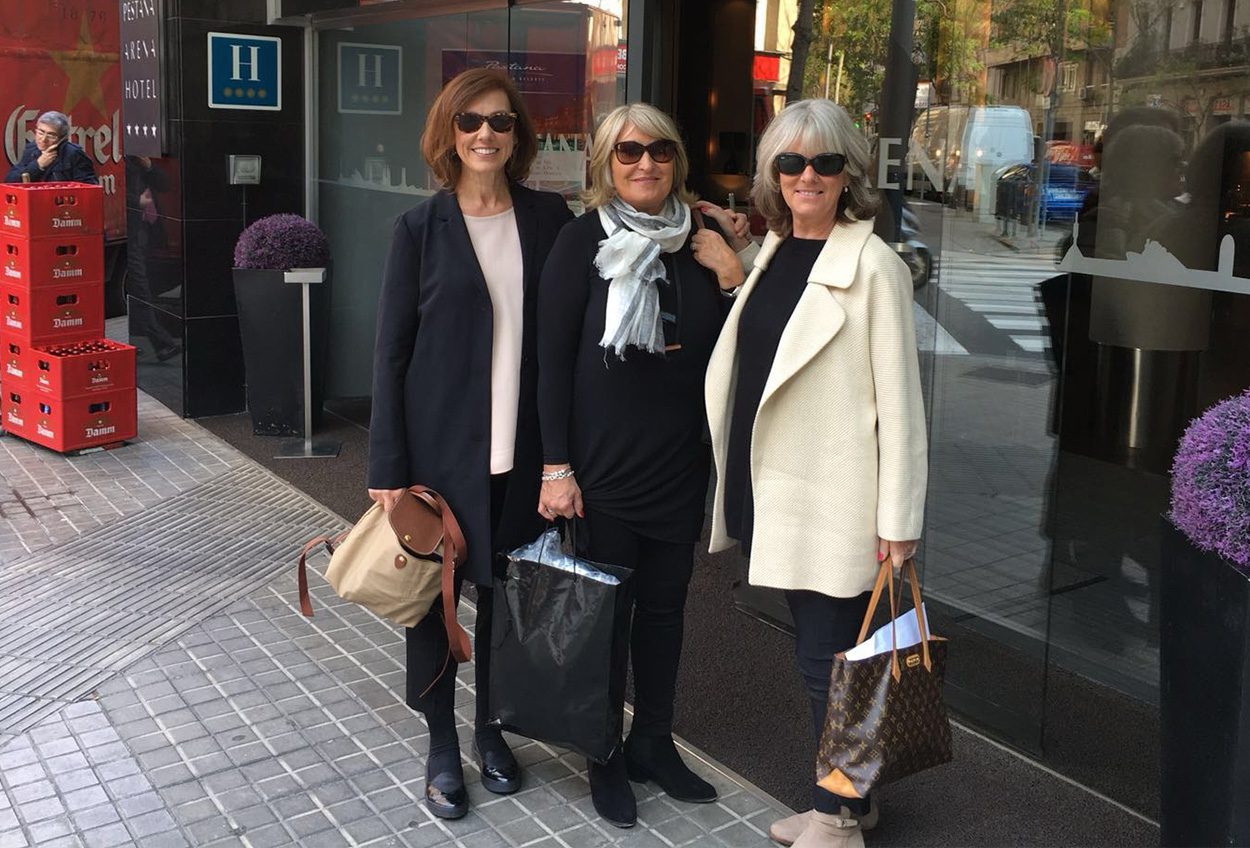
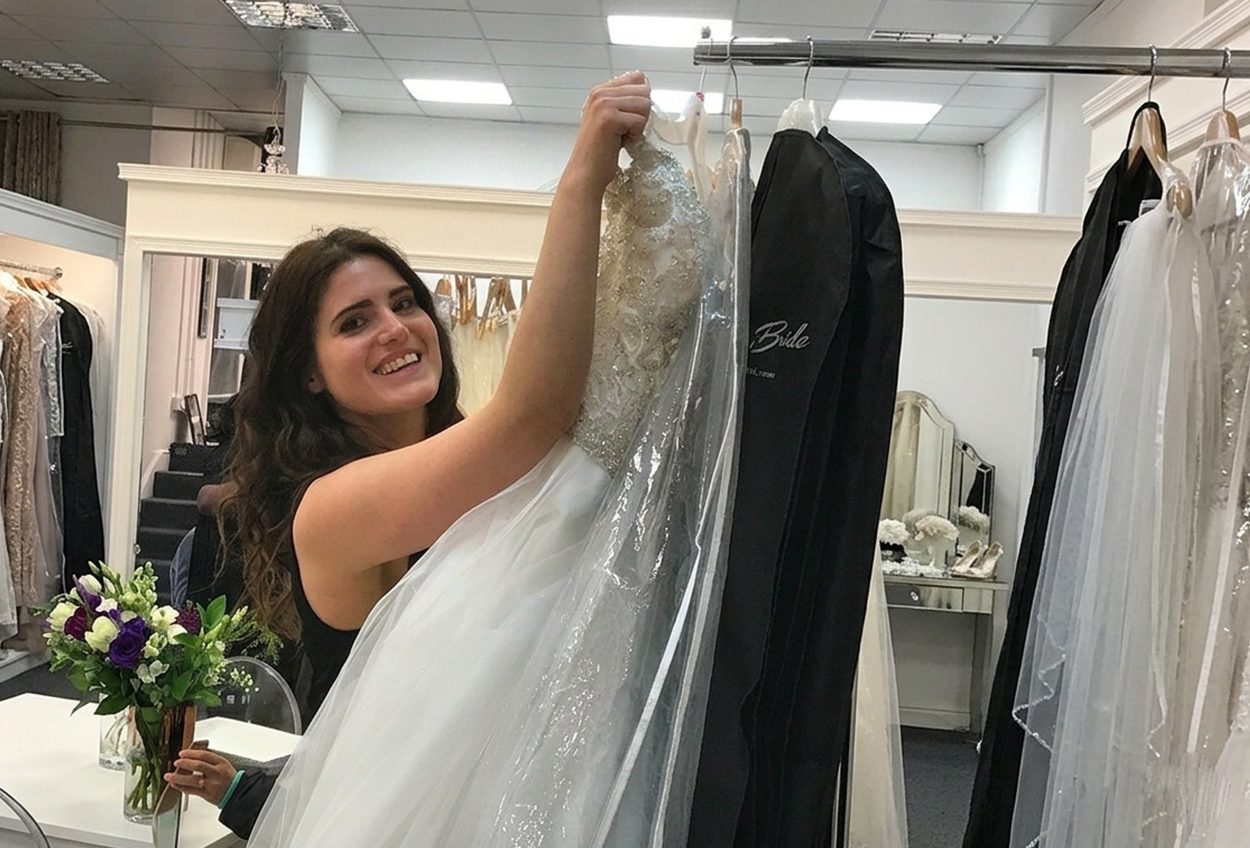
Annabel's story started differently. She first walked through the doors as a Saturday girl and is now the manager (and subsequently part of the family, as Kim’s son’s partner), shaping the next era of London Bride. Kim describes her as the best manager they’ve ever had, a woman with the patience of a saint. “I knew after the first day she was the right girl,” Kim says. Annabel goes above and beyond, possessing a genuine emotional investment in the process; she fundamentally believes that every single bride who walks through the door is going to find THE dress. “After decades in retail, that optimism matters,” says Kim.
Some Brides You Never Forget
After nearly fifty years, certain stories have become part of London Bride folklore.
There was the bride who sprinted into the shop one morning because the dress she ordered from an online company had never turned up, leaving her in an utter panic just hours before her ceremony. With every fitting room full, Kim had to improvise. “The only place I had left was basically the broom cupboard,” she says. The bride couldn’t have cared less. Kim pulled a dress within her budget, zipped her in, and the apprehension faded. “When she sent the photographs afterwards, she looked unbelievable,” Kim recalls. “Honestly, you’d think she’d chosen it a year before and had it altered to perfection.”
There are the moments of high comedy too. The bride who required a thick custom shoulder strap just to hide a sprawling tattoo of galloping horses from her conservative future mother-in-law. Or the returning woman who pulled the staff aside to whisper, “Please don’t bring out the old photo albums. My fiancé doesn’t know I’ve been married before.”
Kim’s personal favourite
“I helped a bride into her dress and took a sharp intake of breath as her entire back was covered by a massive Arsenal tattoo. As a supporter myself, I loved it and told her as much. She laughed and said, ‘Yeah, but the guy I’m marrying is a Tottenham fan.’ I still wonder how that went down on the wedding night.”
But retail has a gravity to it, and not every story ends with a punchline. Over half a century, the shop has witnessed profound grief. There have been brides mourning missing mothers during fittings and mothers tasked with the unimaginable heartbreak of searching for a communion dress to bury their little girl in.
Balance that against the rare moments of pure absurdity, like the time a customer tried to sue the shop for a refund on a “ruined” dress. As it turned out, she was actually so delighted with it that she’d posted the wedding photos all over Facebook, completely forgetting to take them down. The moment that evidence was shown in the courtroom, the case was instantly dismissed.
But court battles are the anomalies; the real shift over the decades has been in the weddings themselves. “Weddings have beautifully evolved, and we look after so many same-sex couples now,” Kim explains. “It’s a wonderful dynamic when we dress both brides, because we know exactly what the first partner has chosen and can subtly guide the second, helping her decide whether she wants to complement the look or go for something entirely contrasting. We’re incredibly proud to be part of these days.”
For Kim, the work is often personal. “Now that I am older, my friends’ daughters are the age where they are getting married,” she says. “I have done lots of their wedding dresses, and it is always an absolute joy to do somebody I know very well. I have seen them grow up and often I go to the wedding, and I can be their personal dresser, which they absolutely love.”
The strange beauty of the bridal industry is that a bride rarely comes back to shop for herself. But they return through recommendations. Friends send friends. Sisters send sisters. Today, women are walking through the doors with their granddaughters, proudly telling the staff that they bought their own dress from the same shop.
“That makes me so happy,” Kim says softly. “When somebody says my grandmother got her dress here.”
Surviving Everything Else
Few independent retailers survive fifty years on a British high street without weathering storms, and London Bride has endured them all.
Surviving the harsh recessions of the 1980s and 2008 meant making difficult sacrifices just to keep the lights on. Those eras thinned out the high street significantly, but the shop outlasted the downturns by staying focused on the brides walking through the door.
The closest the shop ever came to a breaking point was COVID.
“We honestly didn’t know what was going to happen, weddings vanished into thin air.”
But they adapted. Dresses were dispatched directly to brides’ homes for remote lockdown try-ons and screens were rigged up around the shop floor so friends and families could still participate in the fitting experience.
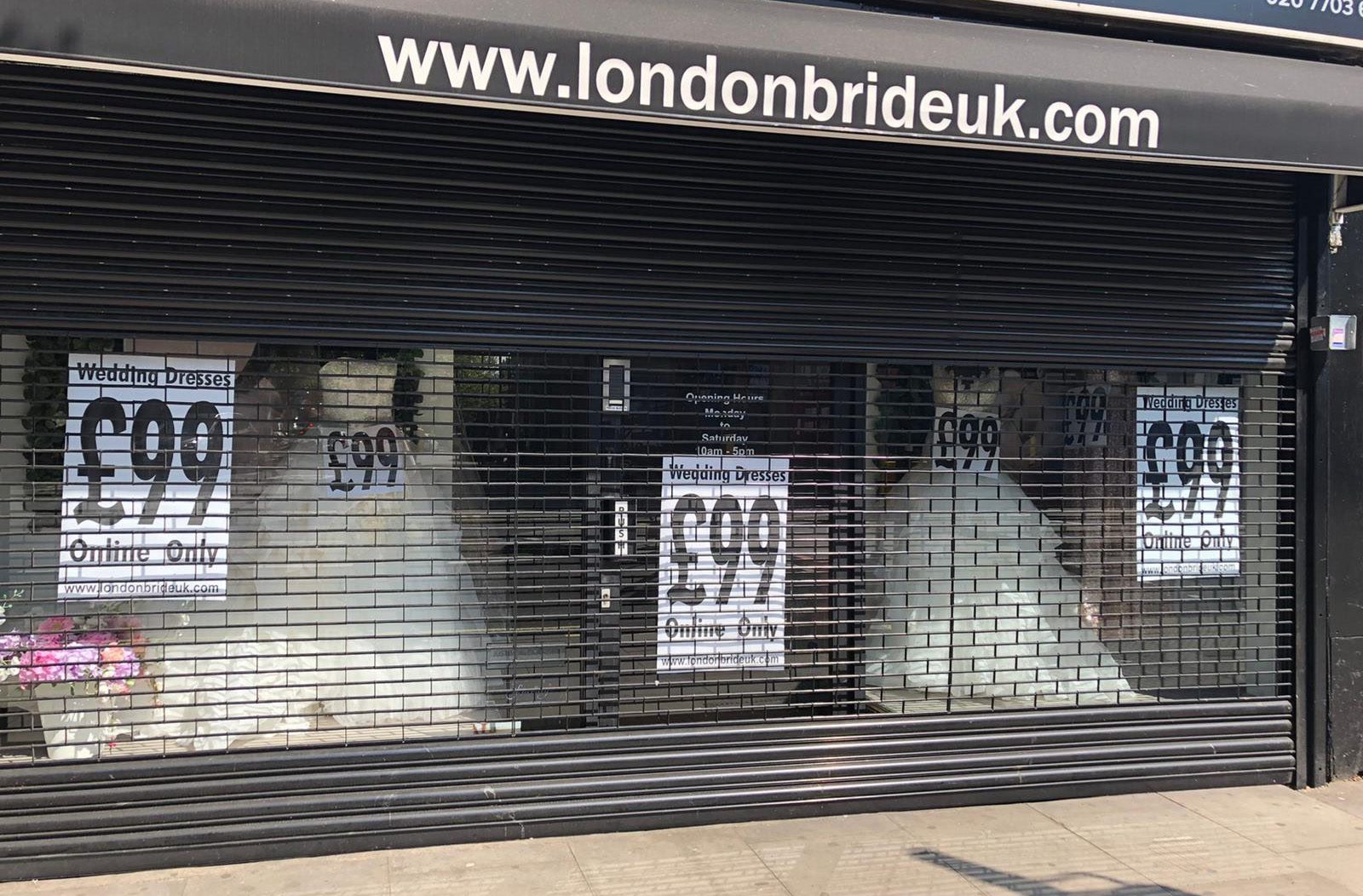
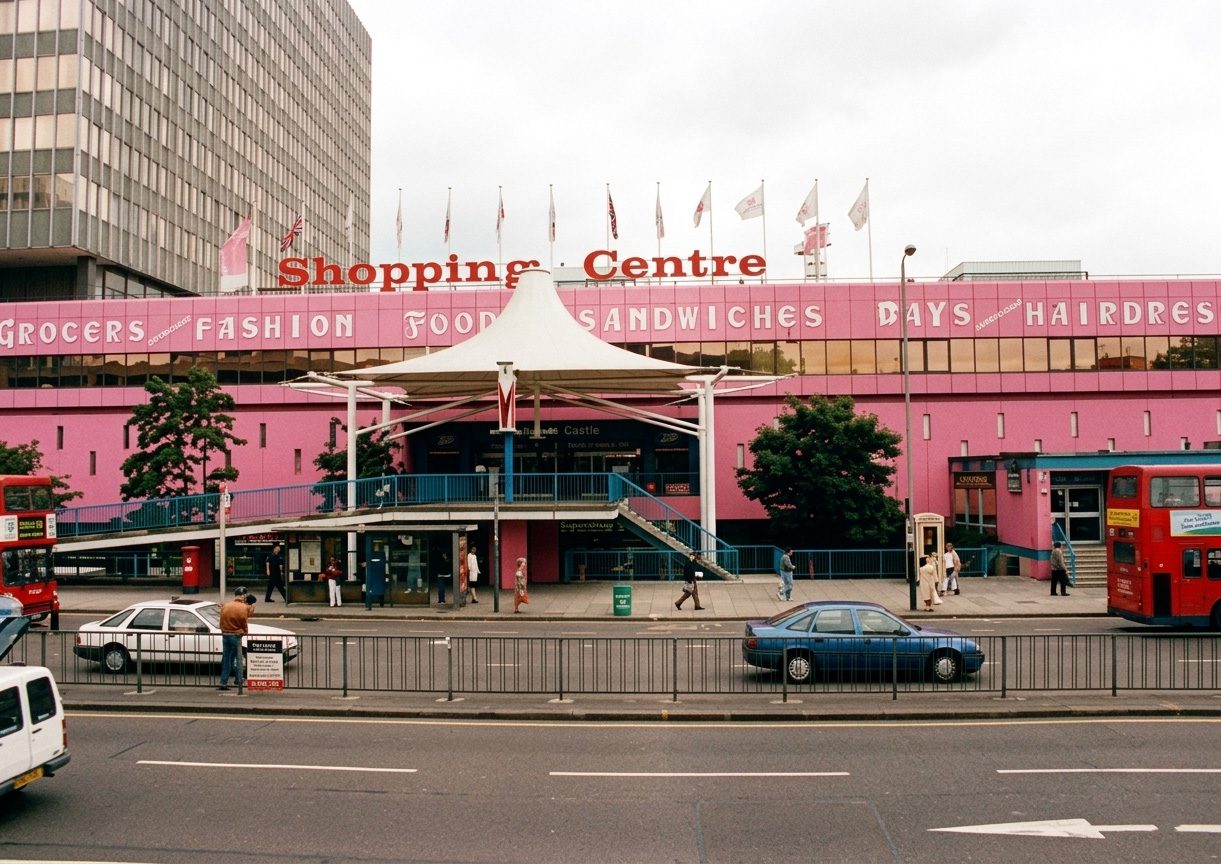
Through it all, the streets outside continued to change. The Elephant and Castle of old is completely unrecognisable today. The old shopping centre has been demolished, East Street Market is quieter, and many of the original independent neighbours have vanished.
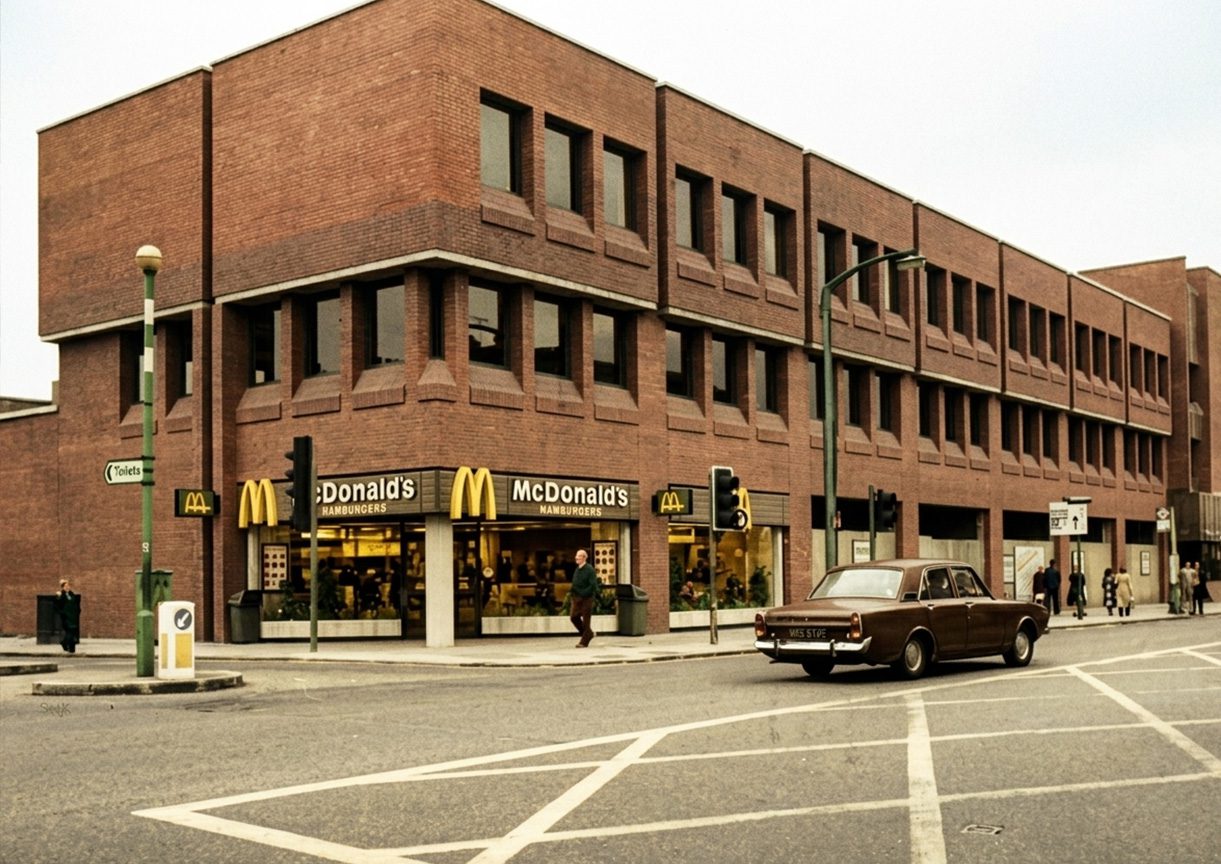
“When the girls ask where to go for a coffee, now we can send them to Gail’s rather than McDonald’s,” Kim says delightedly.
She sometimes looks back and wonders if she should have been bolder and should have expanded and opened multiple branches.
“It would have brought more aggravation, of course, but I knew the trade inside out and thought about expanding. But the real challenge is finding people who will run a branch with the exact same passion you have. Ultimately, having one boutique, one hands-on owner, and a dedicated team of wonderful consultants is why we thrive.”
It is the precise reason the shop is still standing.
UNCLE MAURICE'S MANNEQUIN
In the 1960s, Kennett & Lindsell were the most well-known mannequins in the trade. Kim's Uncle Maurice had one in his East End factory, the same factory where Kim's mother Rene worked as a machinist. That mannequin is still upstairs at the Walworth Road shop today. It is older than London Bride itself.
What Comes Next
Kim, having recently celebrated her 70th birthday (in Ibiza, naturally), is still happily working in the shop.
“I never thought of it as a job,” Kim says. “I think that’s why I’m still here.”
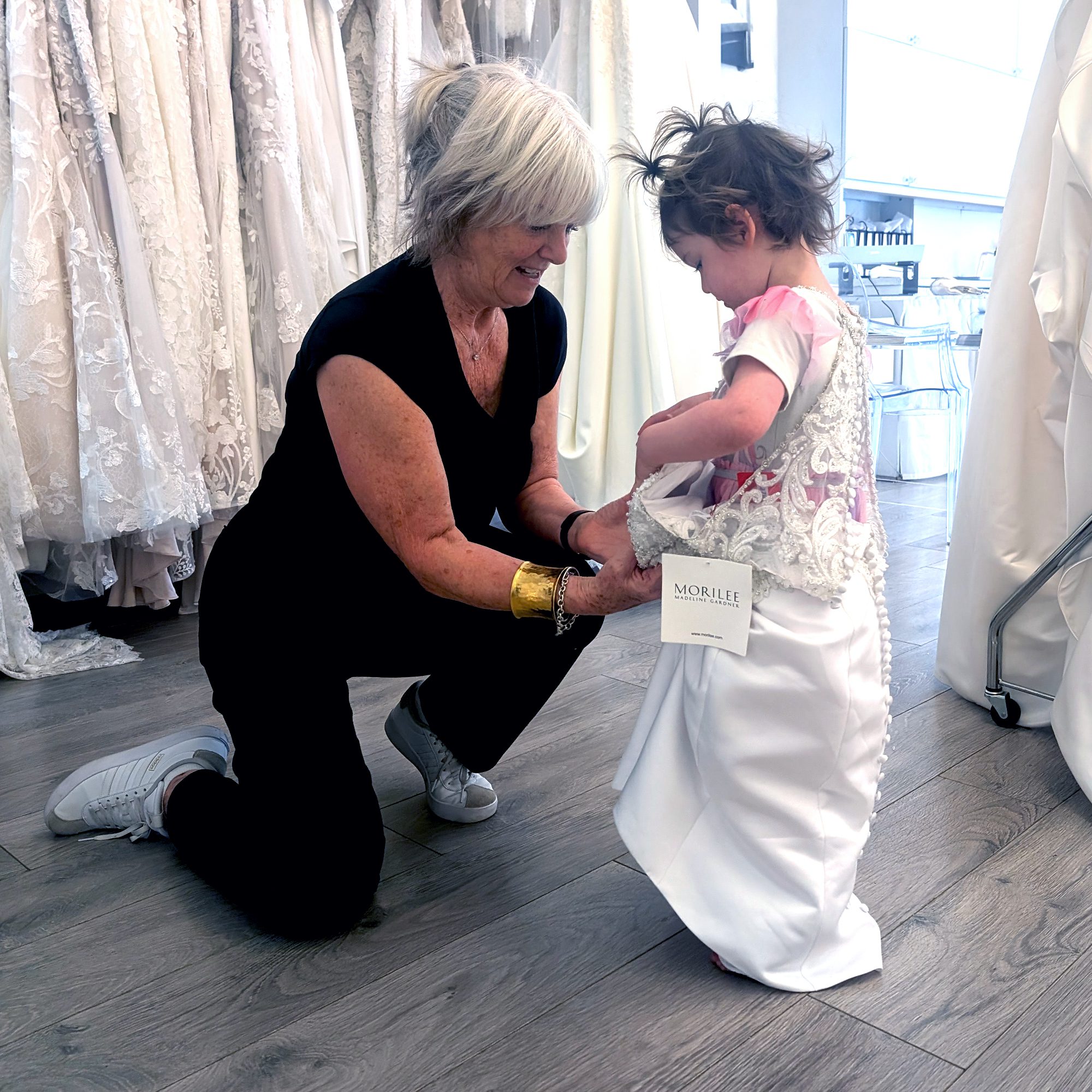
Now, there is a new presence on the shop floor: Kim’s two-year-old granddaughter, Luna. She frequently visits with her mother, Annabel, and already knows exactly where the tiaras are kept.
“She loves everything sparkly,” Kim smiles. “Maybe it’s in her DNA. Maybe one day she’ll carry it forward another fifty years. Who knows.”
In 2027, London Bride will celebrate its 50th anniversary. That exact same year, Kim’s mother, Rene, will turn 100.
It is a remarkable milestone for an independent, family-run business that has been an important part of thousands of brides’ stories. Whilst the retail landscape and bridal trends will undoubtedly keep shifting, the way they treat and look after every bride who walks in will not.
Here’s to the next 50.