Plus Size
Accessories
Button Back wedding dress back style at London Bride, South London

Button Back Wedding Dresses

Classic detailing that runs the length of your gown
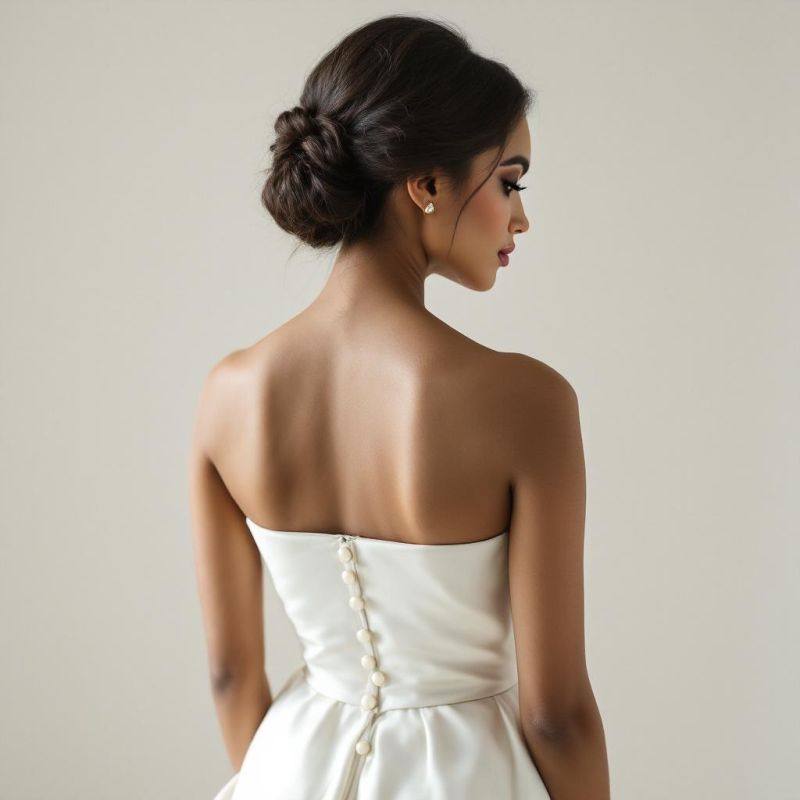
A row of buttons running down the back of a wedding dress is one of the most enduring and photographed details in bridal design. Whether they're functional closures or decorative accents over a hidden zip, buttons add a sense of craftsmanship and tradition that no other back detail can replicate. At London Bride, our button back collection features everything from small, fabric-covered pearls to larger, statement buttons, each adding a distinctive finishing touch to the gown.
Can't find 'the one'?
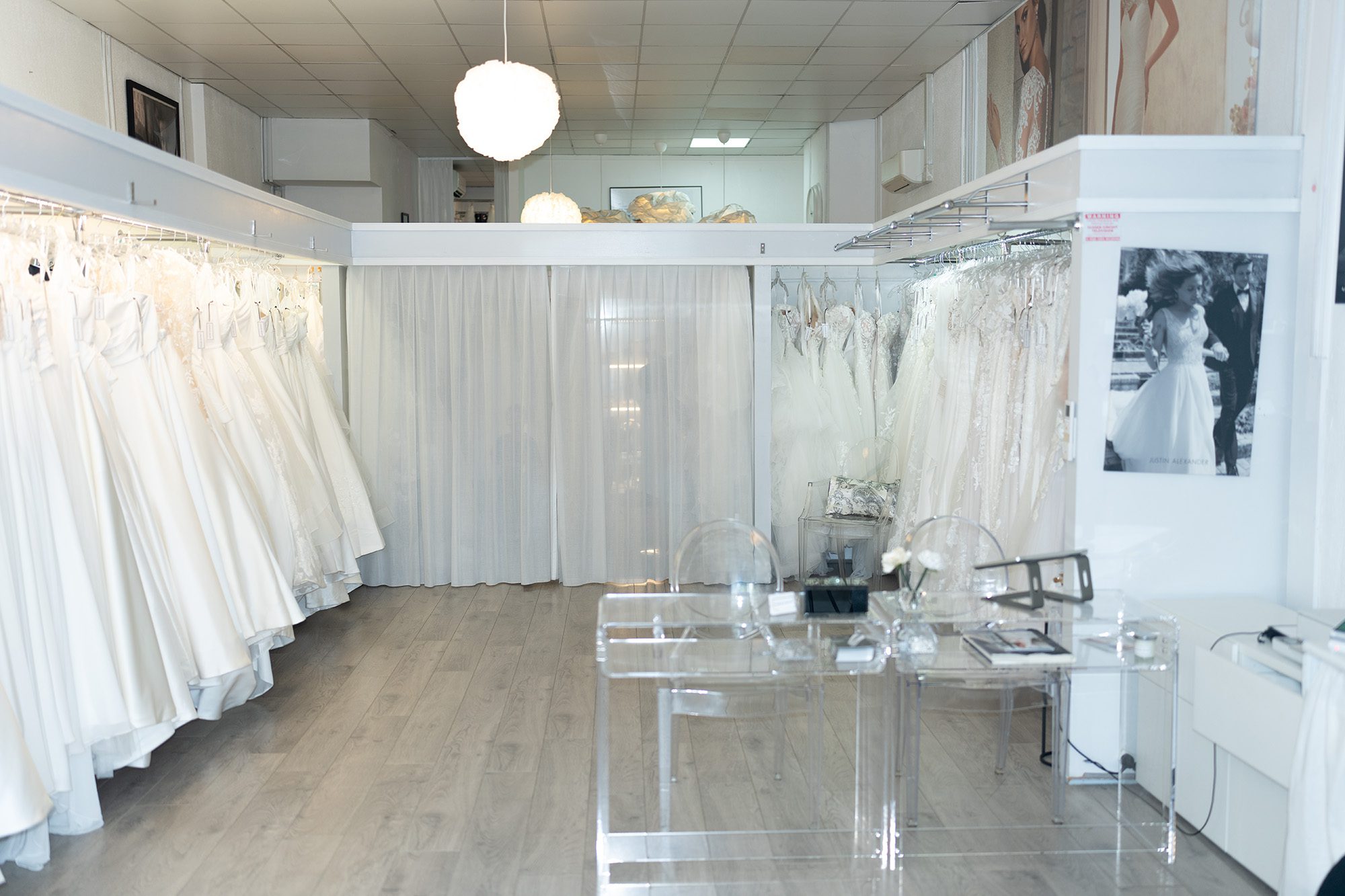
Our boutique holds many more styles than we can show online. Book an appointment and our consultants will help you find your perfect dress.

The Timeless Appeal of Button Back Wedding Dresses

Read more Show less

Functional vs Decorative Buttons

Not all buttons on a wedding dress actually function as closures. Many dresses use a concealed zip for the actual closure, with decorative buttons placed over the top for appearance. Functional button closures fasten the dress entirely through the buttons, which creates a closer, more tailored fit but takes longer to do up and undo. Decorative buttons over a zip give you the visual effect with the practicality of a quick zip closure beneath. Both look identical from the outside. During your appointment, your stylist will explain which approach each dress uses.

Button Styles and Materials

The size, shape, and material of the buttons significantly affect the overall look. Small fabric-covered buttons in matching dress material create a subtle, seamless line down the back. Pearl buttons add a classic, slightly vintage quality. Crystal or rhinestone buttons introduce sparkle. Larger buttons make more of a statement and suit formal gowns. The number of buttons also varies: some dresses feature a few buttons at the upper back, while others run a continuous line from the neckline to the hem of the train, creating a dramatic vertical detail that photographs beautifully.

Buttons on Different Back Styles

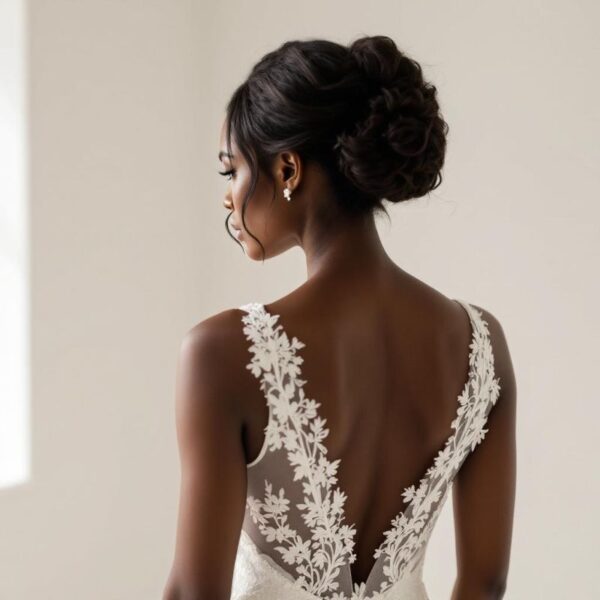
Buttons don't have to mean a fully covered back. They pair beautifully with illusion backs, where the buttons run down a sheer panel, creating the appearance of buttons on bare skin. On a low back dress, a row of buttons below the opening adds detail to the covered portion. Buttons also work as a transition element between an open upper back and a covered lower back. The combination of buttons with other back details is one of the reasons this feature remains so versatile and popular across different dress styles and eras.


If the buttons are functional, it typically takes five to fifteen minutes depending on how many there are and how small they are. Your bridesmaid or helper should practise during a fitting so they're comfortable with the technique on the day. If the buttons are decorative over a hidden zip, the zip does the actual closing in seconds and the buttons are simply decorative. Ask your stylist which approach your chosen dress uses.
Yes. Adding decorative buttons over an existing zip closure is one of the most common bridal alterations. Your seamstress can source buttons in matching or complementary materials and apply them along the zip line. This is a straightforward modification that typically costs a moderate amount depending on the number of buttons. Discuss the option during your first fitting.
Exceptionally well. A line of buttons down the back creates a strong vertical detail that photographers specifically look for. Close-up shots of buttons being done up are a classic getting-ready image. The buttons also create beautiful shadow and highlight lines in natural light, adding texture to back-of-dress photographs. Many brides choose button back dresses specifically because of how they photograph.
Fabric-covered buttons and flat pearl buttons sit flush against the dress and rarely snag. Raised or protruding button styles could potentially catch on chair backs or rough surfaces, but this is uncommon with quality construction. Your seamstress will ensure all buttons are securely attached and sitting properly during alterations. If you're wearing a veil, make sure it doesn't catch on any raised buttons.
There's no standard number. Some dresses have just a few buttons at the upper back or neckline. Others feature thirty or more running from the neck to the end of the train. The number depends on the dress design, the size of the buttons, and the length of the closure. More buttons create a more dramatic, traditional effect. Fewer buttons keep the look subtle and modern. It's a design choice rather than a functional requirement.
In bridal, loops are far more common than button holes. Small fabric or thread loops are sewn along one edge of the closure, and the buttons pass through them. Loops create a cleaner, less visible fastening than traditional button holes and work better with the fine, delicate fabrics used in wedding dresses. Your seamstress will use whichever method suits the dress construction, but loops are the standard in bridal.

Ready to Find Your Button Back Wedding Dress?

Book a personal styling appointment at our South London boutique
magnifiercrosscross-circle