Plus Size
Accessories
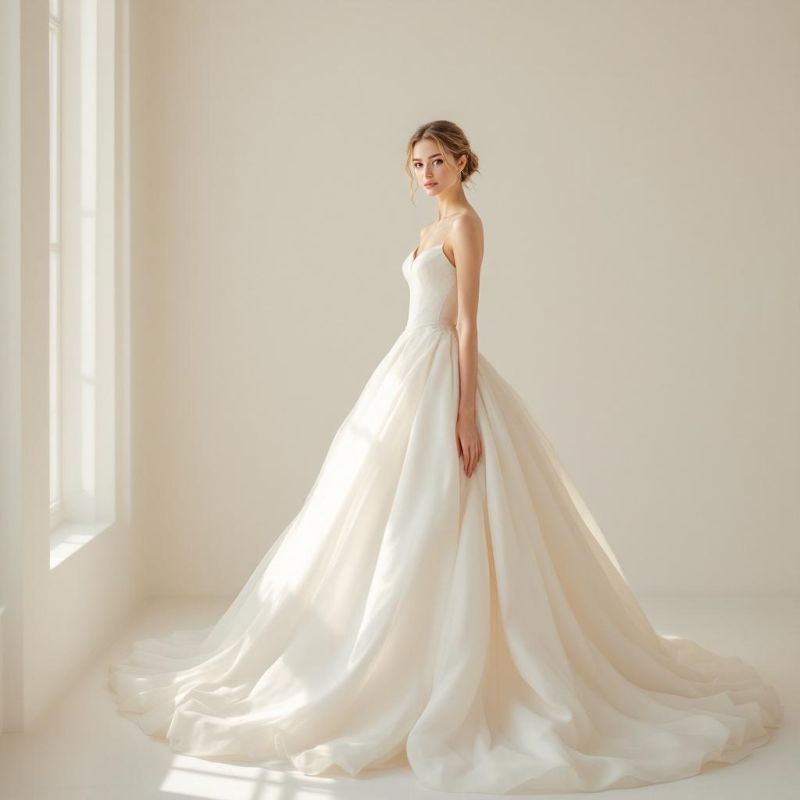
Ball Gown wedding dress style at London Bride, South London

Ball Gown Wedding Dresses

Make an entrance with the most dramatic silhouette in bridal
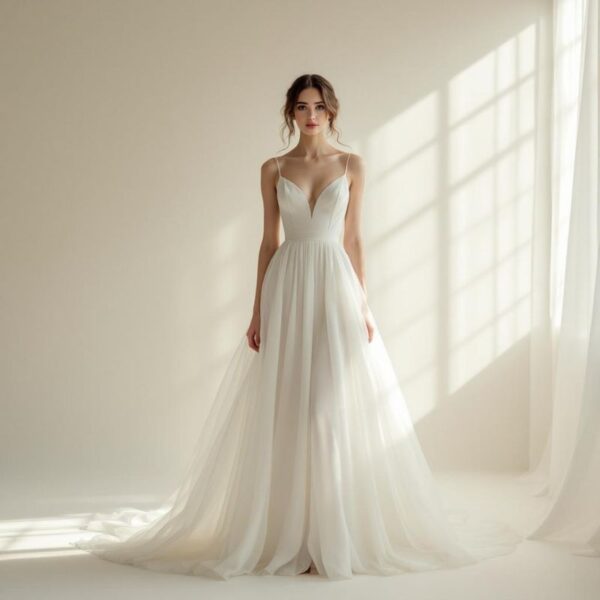
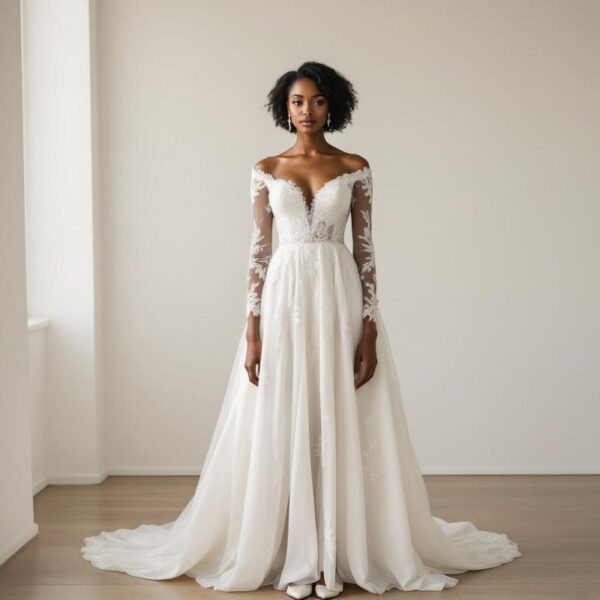
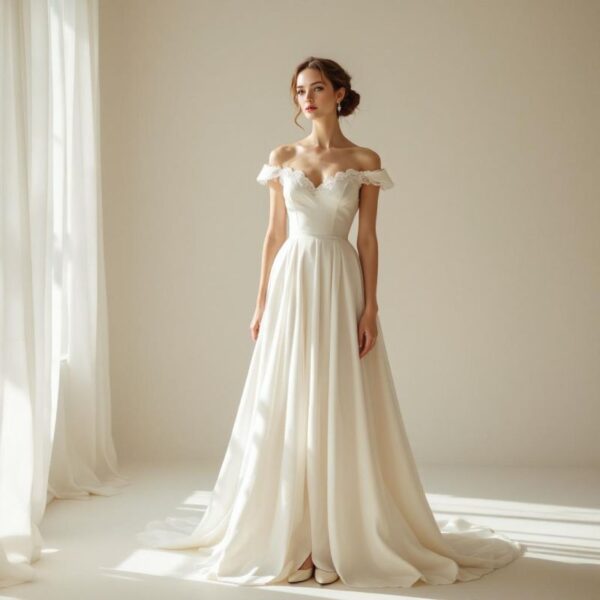
If you want a true showstopper moment, the ball gown delivers. A fitted bodice paired with a full, voluminous skirt creates the classic princess silhouette that has defined bridal fashion for decades. The shape cinches the waist and adds drama from every angle, making it ideal for grand venues and brides who want to feel the full weight of the occasion. At London Bride, our ball gown collection ranges from clean and structured to heavily embellished, all fitted by our expert stylists to ensure you can move, sit, and dance with confidence.

Everything You Need to Know About Ball Gown Wedding Dresses

Read more Show less

Who Suits a Ball Gown

Ball gowns are particularly flattering for brides with a defined waist, as the fitted bodice draws attention to your narrowest point while the full skirt balances the lower half. Straighter or athletic figures benefit from the way the volume creates curves. Pear-shaped brides find that the skirt disguises wider hips beautifully. The one consideration is height: petite brides can feel overwhelmed by too much fabric, though the right proportions and a good seamstress can make it work. If you're unsure, trying one on is the fastest way to know.

Choosing the Right Venue for a Ball Gown

Ball gowns are at their best in spaces that can accommodate them. Churches, stately homes, hotel ballrooms, and large barns all give the skirt room to breathe and create those sweeping photographs. Tighter spaces like registry offices or intimate restaurants can feel restrictive, both practically and visually. Consider your aisle width, doorways, and how much time you'll spend standing versus sitting. If your reception involves a lot of mingling in a compact space, a ball gown may need more maneuvering than you'd like.

Ball Gown vs A-Line: Which Full Skirt Is Right for You

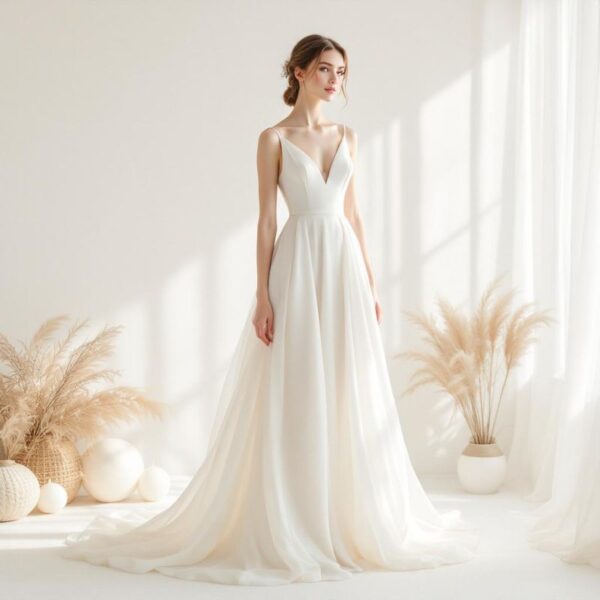
Both share a fitted bodice, but the skirt is where they diverge. A ball gown has significantly more volume, often supported by layers of tulle or a crinoline underskirt, creating a rounded, dramatic shape. An A-line flares more gradually for a smoother, triangular look with less weight. If you want maximum impact and a fairy-tale feel, the ball gown wins. If you prefer something lighter that still offers a full skirt, the A-line is the more practical compromise. We always suggest trying both during your appointment to feel the difference.


It depends on the fabric and construction. A ball gown in mikado or duchess satin with a structured underskirt will have noticeable weight, while tulle or organza options are significantly lighter despite the volume. Most brides adjust quickly once the dress is on, and the bodice distributes the weight across the waist and hips rather than pulling on the shoulders. During your appointment, our stylists will help you move, sit, and turn so you can genuinely assess the comfort before committing.
Yes, with the right proportions. The key is ensuring the skirt volume doesn't overwhelm your frame. A slightly less voluminous ball gown, sometimes called a modified ball gown, offers the drama without swallowing you. Heels also help, as does ensuring the waistline sits at the right height. Our in-house alterations team can adjust hemlines and proportions to suit petite figures. We stock samples from size 6 upwards and will clip and adjust during your appointment to show you the potential.
Most ball gowns have built-in boning and structure in the bodice, so you may not need a separate bra at all. Strapless options or cups sewn into the dress are common. For the skirt, a petticoat or crinoline may be recommended depending on the desired volume, which your stylist will discuss during your appointment. Avoid anything with visible lines under the bodice. Bring whatever underwear you're considering to your first fitting so the seamstress can advise.
It's one of the most common questions brides ask, and there's nothing awkward about it. The technique is straightforward: gather the skirt up and hold it, or have your maid of honour help. Some brides use a large clip to hold the fabric. Your alterations team can also add a wrist loop to the underskirt to make gathering easier. It takes a moment of practice but becomes second nature quickly. We'll talk you through it at your final fitting.
Ball gowns suit larger venues where the skirt has room to move and photograph well. Churches, cathedrals, grand hotel ballrooms, country houses, and large barns are all excellent choices. They also photograph beautifully on wide staircases and in open outdoor spaces. Smaller or more compact venues can make a ball gown feel cumbersome, so if your ceremony or reception space is on the intimate side, an A-line might give you a similar feel with less volume.
Absolutely. The skirt actually gives your legs complete freedom underneath, which many brides find surprising. Unlike a mermaid or fit-and-flare where the fabric sits against your thighs, a ball gown's skirt stands away from the body entirely. The main consideration is the weight of the fabric; lighter materials like tulle and organza make movement easier. Many brides choose to bustle the train for the reception, which your seamstress will set up during alterations.

Ready to Find Your Ball Gown Wedding Dress?

Book a personal styling appointment at our South London boutique
magnifiercrosscross-circle