Plus Size
Accessories
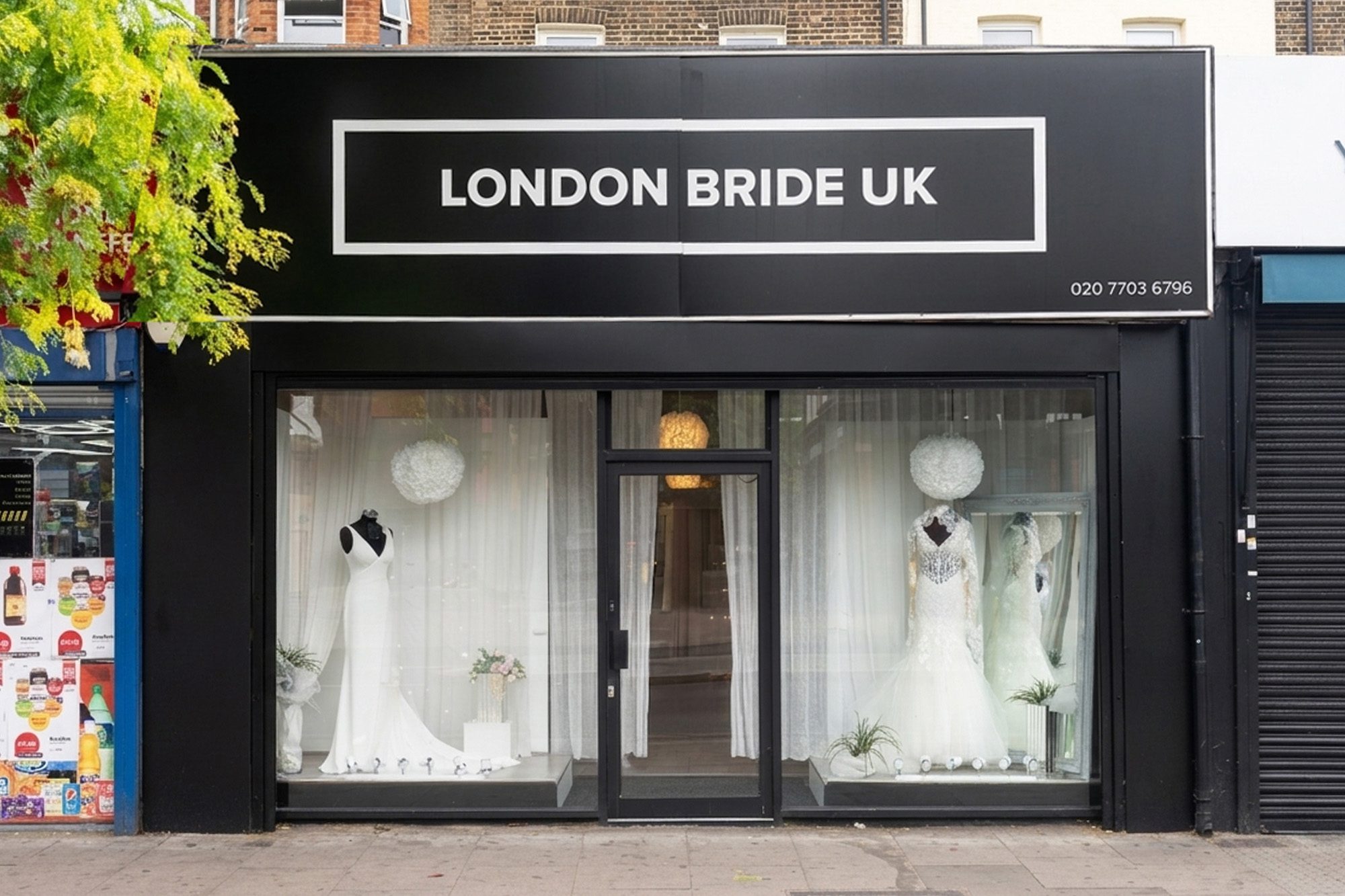
Church wedding dress occasion at London Bride, South London

Church Wedding Dresses

Elegant gowns designed for the grandeur of a church ceremony
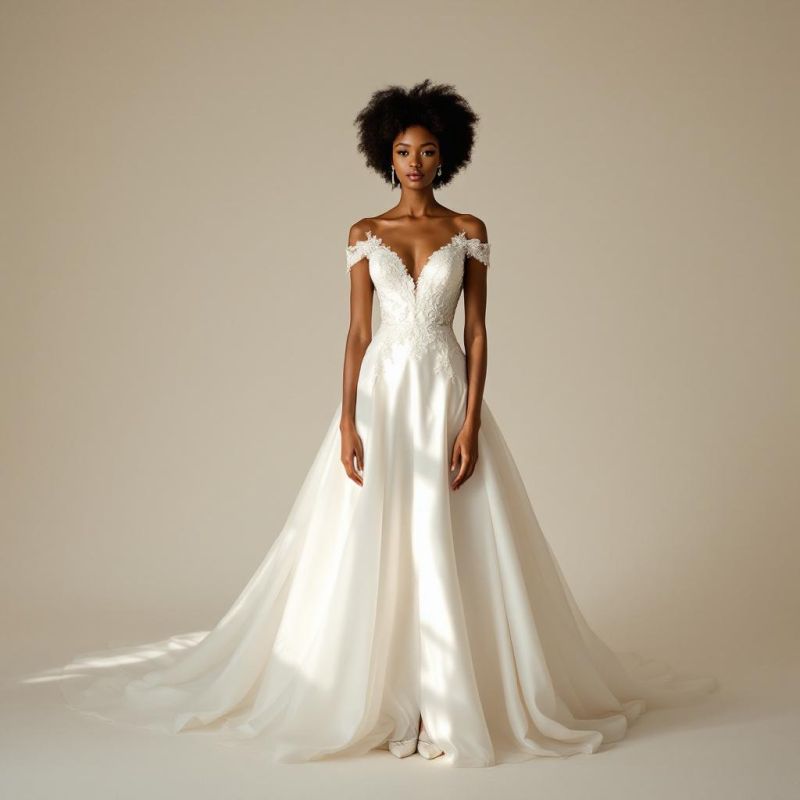
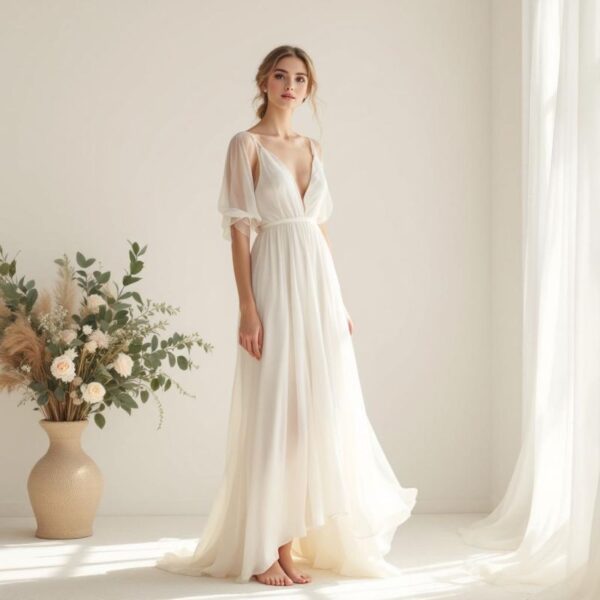
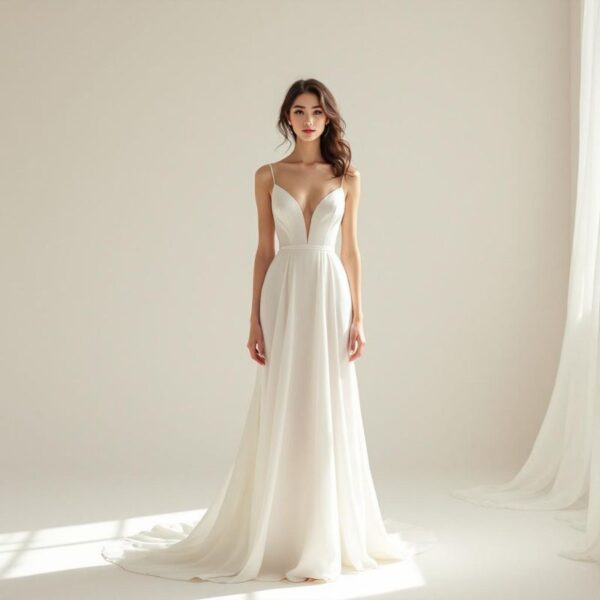
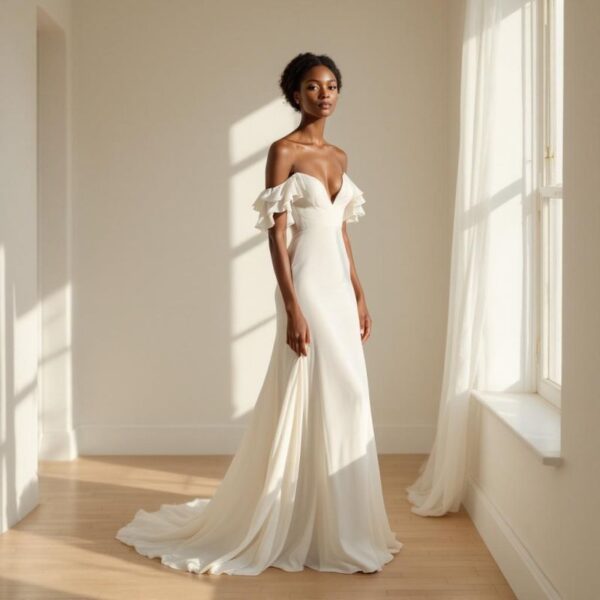
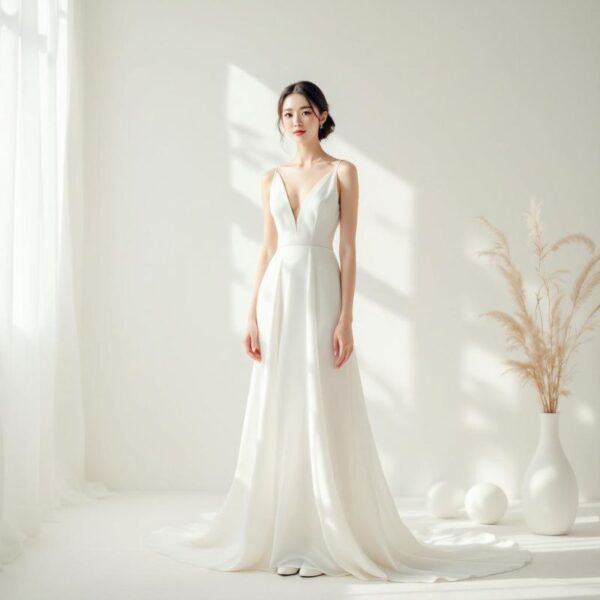
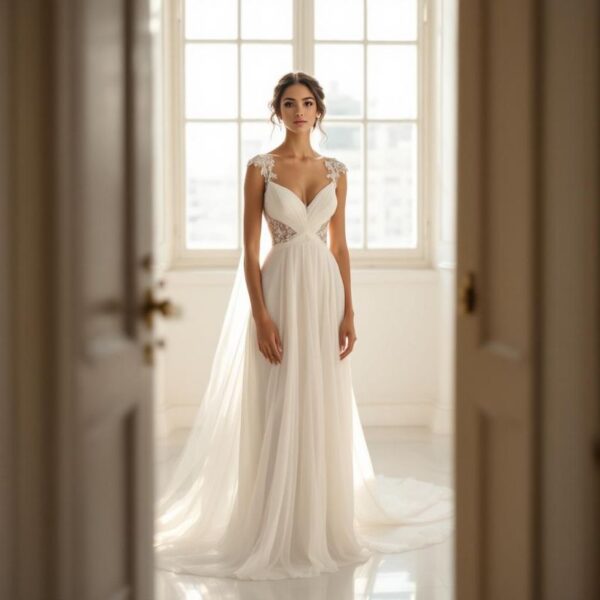
A church wedding calls for a dress that rises to the setting. High ceilings, long aisles, and the formality of a religious ceremony create the perfect backdrop for gowns with presence: think trains that trail behind you, structured silhouettes, and detailing that reads beautifully from a distance. At London Bride, our stylists understand what works in a church setting and will help you find a dress that complements the architecture and atmosphere while meeting any specific dress code requirements your venue may have.
Can't find 'the one'?
Our boutique holds many more styles than we can show online. Book an appointment and our consultants will help you find your perfect dress.

Choosing a Wedding Dress for a Church Ceremony

Read more Show less

What to Consider for a Church Setting

Churches offer something most other venues can't: a long aisle, height, and natural acoustics that make the entrance feel genuinely momentous. A dress with a chapel or cathedral-length train takes full advantage of this. The formality of the setting suits structured silhouettes, ball gowns, A-lines, and fit-and-flare shapes with refined detailing. Fabric choices that photograph well in the mix of natural and artificial light found in churches include satin, mikado, and quality lace. If your church has specific requirements around coverage, discuss these with your stylist at the start of your appointment so every option you try meets the criteria.

Dress Codes and Coverage Requirements

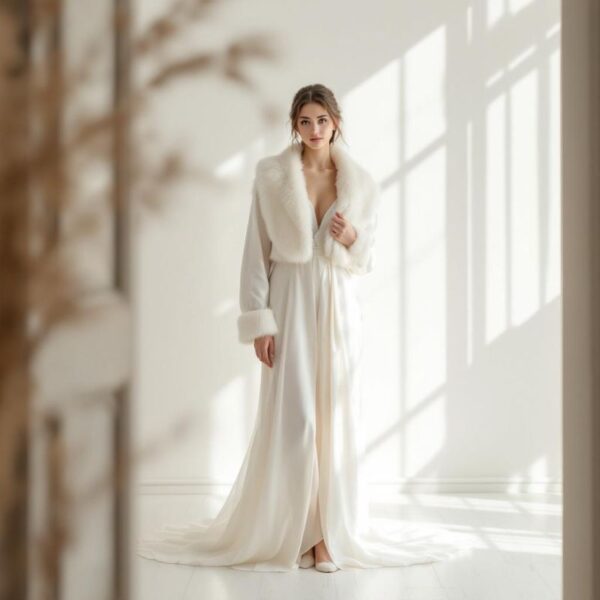
Some churches, particularly Catholic and Orthodox venues, require brides to cover their shoulders during the ceremony. This doesn't mean you need a high-necked, long-sleeved gown. Illusion necklines, detachable sleeves, lace toppers, and bolero jackets all provide coverage while preserving the design of the dress underneath. Many brides choose a strapless or off-the-shoulder gown and add a removable cover-up for the ceremony, then reveal the full dress at the reception. Check your church's requirements well in advance and let us know when you book so we can prepare appropriate options.

Making the Most of a Long Aisle

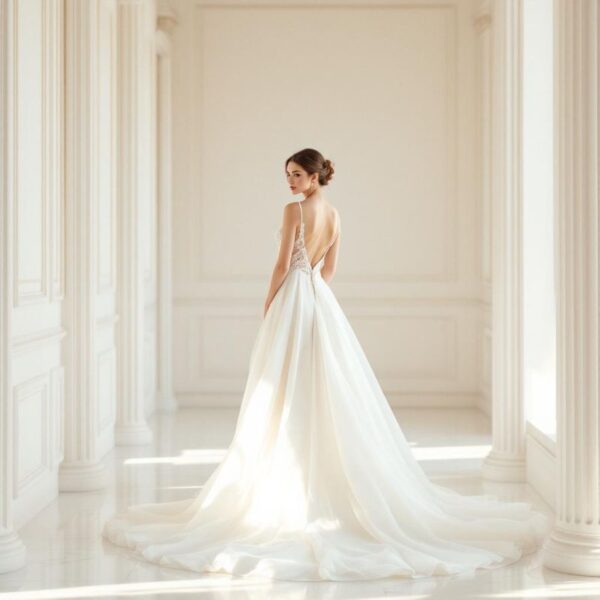
A church aisle gives you a rare opportunity to show off the back of your dress, something shorter walks don't allow. Back detailing, whether it's a row of buttons, illusion lace, an open back, or a dramatic train, becomes a key feature during the processional and recessional. Consider how the dress looks from behind as much as from the front. A veil that extends beyond your train creates a layered, dramatic effect as you walk. Your maid of honour can arrange the train at the altar for photographs, and our alterations team will add a bustle so you can move freely at the reception.


Some do. Catholic and Orthodox churches often ask that brides cover their shoulders during the ceremony, and some prefer necklines that aren't too low. Anglican and non-denominational churches tend to be more relaxed. Requirements vary by individual church, so check directly with your venue or officiant well before your dress appointment. If coverage is needed, there are elegant solutions like illusion necklines, detachable sleeves, and lace toppers that meet the requirement without compromising your dress choice.
Churches are one of the few venues where a longer train truly comes into its own. A chapel train (extending 3-4 feet from the waist) suits most church settings well. A cathedral train (6-8 feet) creates maximum drama in larger churches with long aisles. Even a sweep train works if you prefer something less formal. The key consideration is aisle width and whether you'll need to navigate steps. Your stylist can advise on what works for your specific church.
In many churches, yes. Anglican, non-denominational, and many modern churches have no restrictions on strapless gowns. Catholic and Orthodox churches may require shoulder coverage, but a removable lace topper, bolero, or cape solves this beautifully. You wear the cover-up for the ceremony and remove it for photographs and the reception. This approach gives you the best of both worlds: modest and respectful for the church, then your dress in its full glory afterwards.
The scale and formality of a church setting suits structured silhouettes with presence. Ball gowns look spectacular in large churches where the full skirt fills the space. A-lines offer a slightly less dramatic option that still photographs beautifully against church architecture. Fit-and-flare and mermaid shapes work well in smaller churches where you want to show figure definition without the volume of a ball gown. Sheath dresses can work too, particularly when paired with a long veil or dramatic accessories that add formality.
A veil isn't mandatory, but it suits a church setting particularly well. The formality and tradition of a church ceremony pairs naturally with a veil, and the height of the space means a longer veil won't feel overdone. A cathedral-length veil creates a stunning visual as you walk down a long aisle. Some churches may request a head covering during the ceremony, in which case a veil serves both aesthetic and practical purposes. Your stylist can show you how different veil styles work with specific dresses.
Your maid of honour or a bridesmaid typically arranges the train once you reach the altar and straightens it for photographs. Before walking down the aisle, a coordinator or someone from your party will fan it out behind you. After the ceremony, the train is bustled using hooks or buttons sewn in during alterations, lifting it off the floor for the reception. Our alterations team will set up the bustle and show a member of your bridal party how to fasten it on the day.

Ready to Find Your Church Wedding Dress?

Book a personal styling appointment at our South London boutique
magnifiercrosscross-circle