Plus Size
Accessories
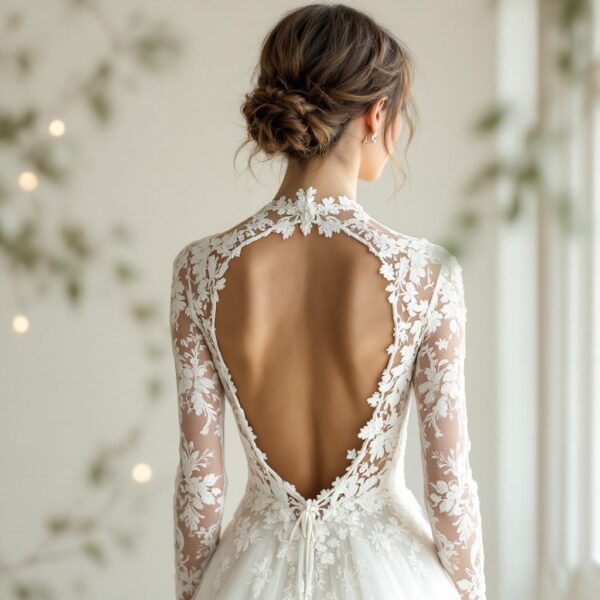
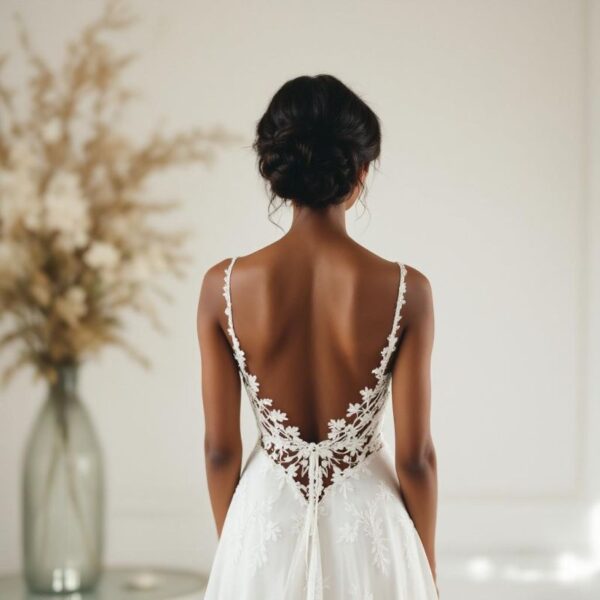
Lace-Up wedding dress back style at London Bride, South London

Lace-Up Back Wedding Dresses

Adjustable fit with vintage-inspired charm
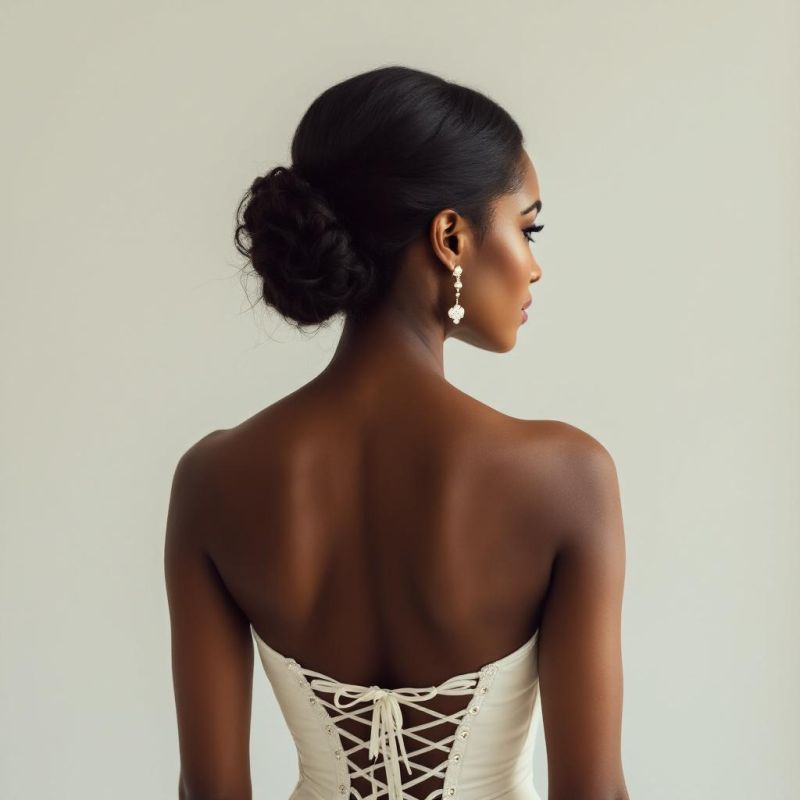
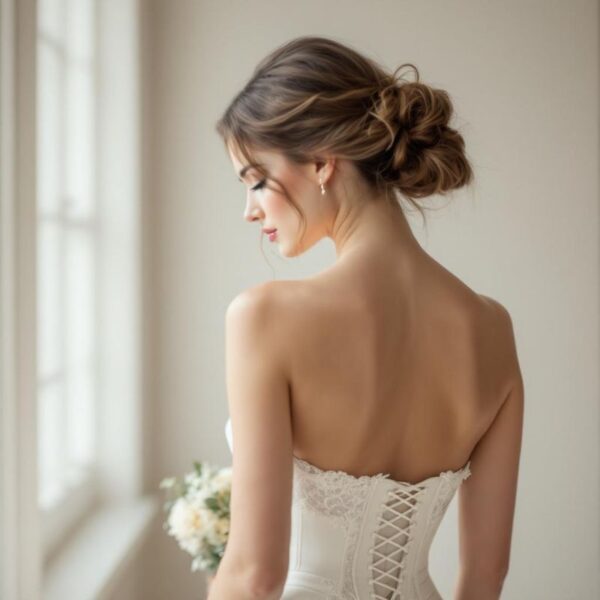
A lace-up back, sometimes called a corset back, uses ribbon or fabric lacing threaded through eyelets or loops to close the dress. It's both practical and beautiful: the lacing allows for adjustable fit, accommodating fluctuations in size, while the criss-cross pattern creates a striking visual detail. At London Bride, our lace-up back designs range from traditional ribbon closures to modern, clean-lined versions that offer the same adjustability with a more contemporary look.
Can't find 'the one'?
Our boutique holds many more styles than we can show online. Book an appointment and our consultants will help you find your perfect dress.

What to Know About Lace-Up Back Wedding Dresses

Read more Show less

The Practical Advantage of Adjustability

Unlike a zip or button closure that has a fixed size, a lace-up back can be tightened or loosened by up to a full dress size in either direction. This makes it particularly useful for brides whose weight may fluctuate between their final fitting and the wedding day, pregnant brides who want some flexibility, or brides ordering online or from a limited sample range. The lacing can be adjusted right up until the moment you walk down the aisle, and loosened during the reception if you want to breathe more easily after dinner.

How It Looks and Photographs

The criss-cross lacing pattern creates a focal point at the back that photographs with strong graphic lines. Satin ribbon against a white bodice creates a classic, bridal look. Matching fabric lacing produces a more subtle, tonal effect. Some designs leave a V-shaped gap of visible skin between the lacing edges, adding an element of exposed back to the design. Others close fully so the lacing is purely decorative. Either approach creates a back detail that's both functional and visually interesting, particularly in getting-ready photographs as the lacing is pulled tight.

Modern vs Traditional Lace-Up Styles

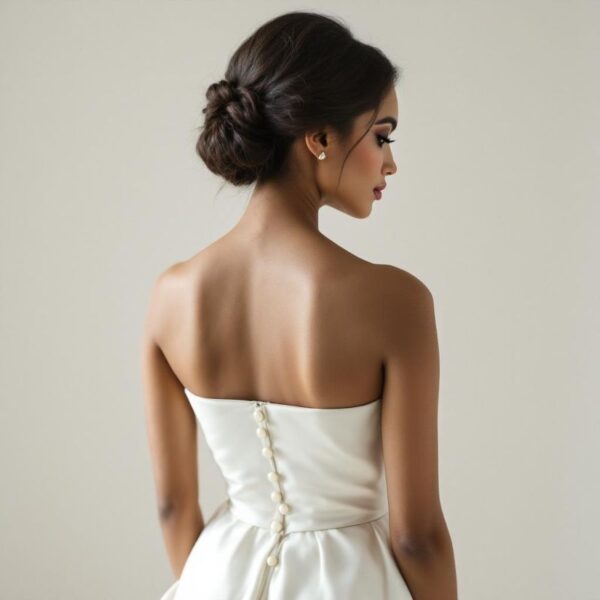
Traditional lace-up backs use visible ribbon or cord threaded through metal or fabric eyelets, creating the classic corset look associated with period dress. Modern interpretations are often more subtle: the eyelets may be hidden, the lacing narrower, or the closure combined with a concealed zip for speed and security. Some contemporary designs use the lace-up as a decorative element on just the upper back, with a zip handling the actual closure below. Your stylist can show you the full range of approaches available.


Yes, and often more so than you'd expect. The adjustability means the dress can be set to your exact comfort level rather than relying on a fixed zip. If it feels too tight during the reception, a bridesmaid can loosen the lacing slightly in seconds. The internal boning that typically accompanies a lace-up closure provides support and distributes pressure evenly. Any discomfort usually means the lacing has been pulled too tight, which is easily fixed on the day.
Around five to ten minutes for someone who has practised. The person helping you should attend at least one fitting to learn the technique: starting from the top, working down evenly, and tying securely at the waist or lower back. Your seamstress will demonstrate the correct method. It's worth designating one person, your maid of honour or your mother, as the official lace-up person and having them practise so it's quick and smooth on the day.
In most cases, yes. A skilled seamstress can replace a lace-up closure with a zip, though this may change the fit slightly since you lose the adjustability. Some brides have a zip added alongside the lacing so they can use the zip for speed and keep the lacing as a decorative feature. Discuss conversion options with your alterations team if this interests you.
A veil will sit over the lacing, which can partially obscure it. If the lace-up detail is a key feature you want visible, a shorter veil that ends above the closure, or wearing no veil, ensures it stays on display. A longer veil will cover it during the ceremony but reveal it once the veil is removed. It's a matter of timing: the lacing will be visible in getting-ready photos, reception photos, and any moment without the veil.
Many plus-size brides prefer lace-up closures because of the adjustability. A zip has a fixed size, so the dress must be altered to an exact measurement. A lace-up gives a range of fit, which provides a safety margin if measurements change between the final fitting and the wedding. It also allows for more customised shaping, as the tension can be varied at different points up the back. That said, either closure works well; it's a matter of preference.
Satin ribbon in ivory or white is the most common and creates a classic, polished look. Width varies from thin, delicate ribbons of a few millimetres to wider satin bands. Narrower ribbons look more modern and subtle. Wider ribbons create a bolder, more traditional corset effect. Some dresses use grosgrain, organza, or even fabric strips in the same material as the dress. Your dress will come with the designer's chosen ribbon, but it can be replaced during alterations if you prefer a different width or material.

Ready to Find Your Lace-Up Wedding Dress?

Book a personal styling appointment at our South London boutique
magnifiercrosscross-circle