Plus Size
Accessories
White wedding dress colour at London Bride, South London

White Wedding Dresses

Pure, bright, and unmistakably classic
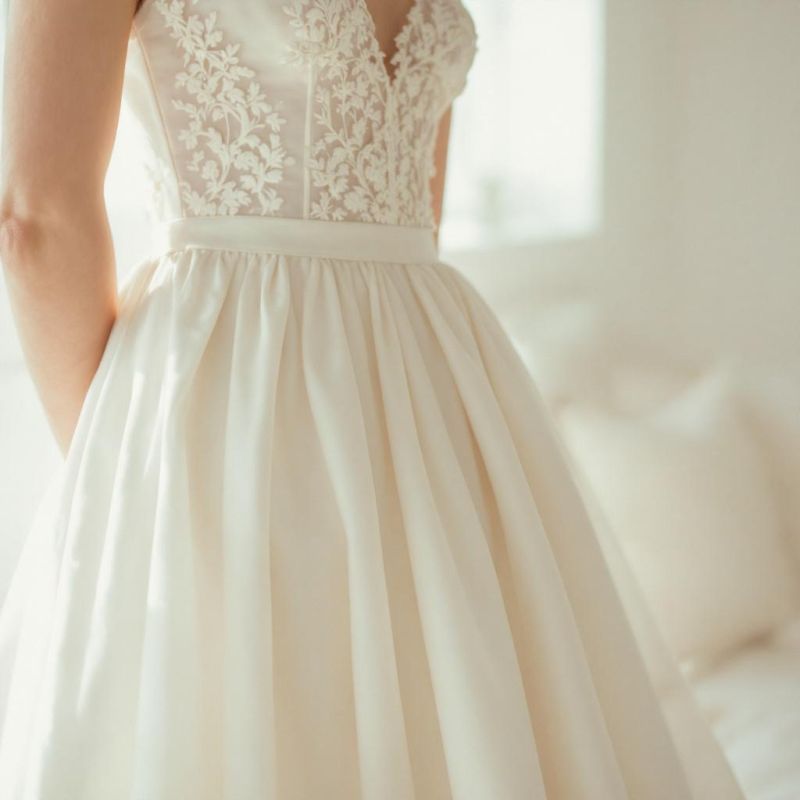
Pure white is the original bridal colour, bright, clean, and free of any warm or cool undertone. It makes a striking statement and photographs with crisp clarity, particularly against darker backdrops and in high-contrast settings. While ivory has become the more popular choice overall, white remains the preferred shade for many brides, particularly those with cool-toned or darker skin where white creates a beautiful, clean contrast. At London Bride, we carry white options across our collection for brides who prefer this classic, bright shade.
Can't find 'the one'?
Our boutique holds many more styles than we can show online. Book an appointment and our consultants will help you find your perfect dress.

Choosing White Over Ivory

Read more Show less

When White Works Best

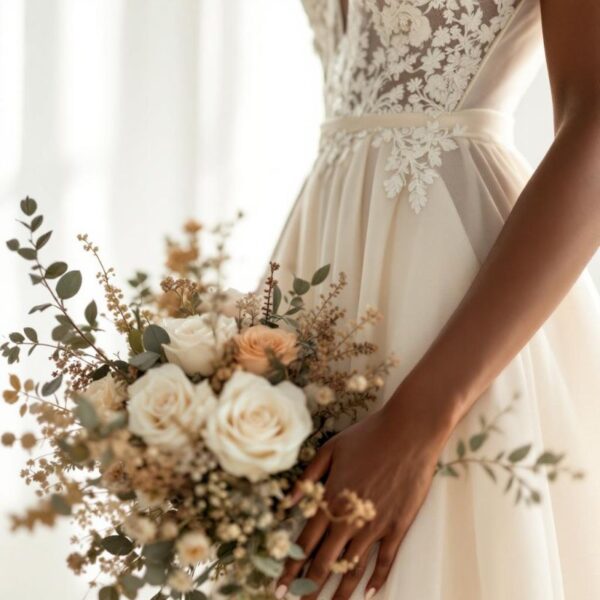
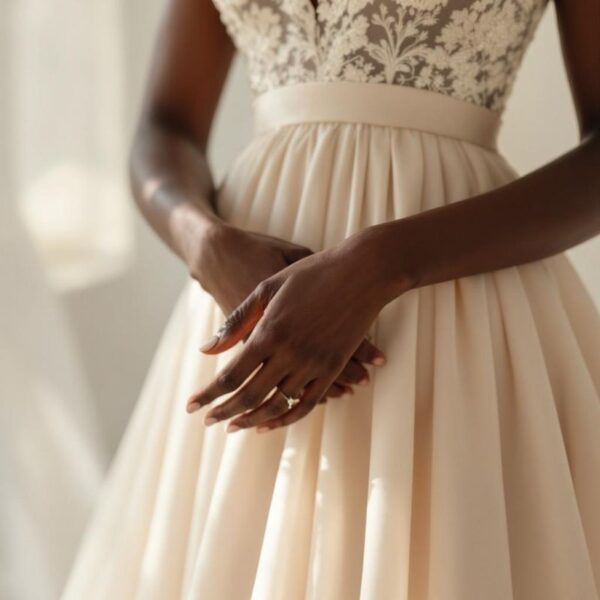
White creates the strongest contrast against skin, which means it works particularly well on brides with deeper skin tones where the clean brightness creates a striking, beautiful effect. Cool-toned skin also pairs naturally with white's neutral brightness. Very fair skin can sometimes be washed out by white, appearing paler by contrast, though this depends on the individual. The only way to know for certain is to try both white and ivory against your skin in natural light. Some brides are surprised by which shade flatters them most.

White in Different Fabrics

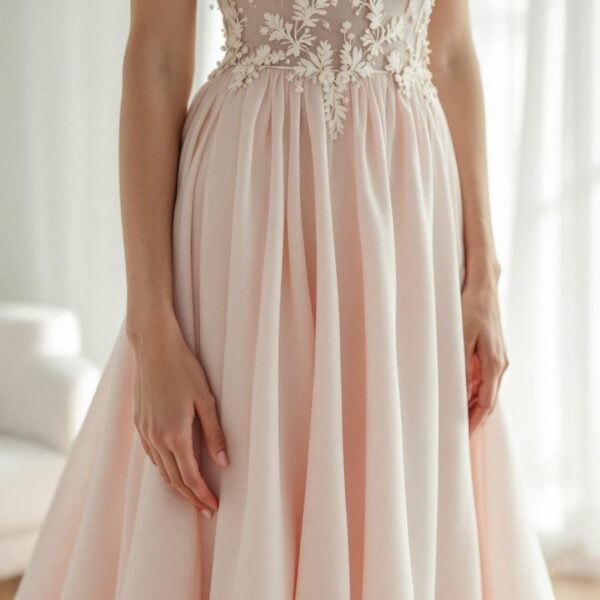
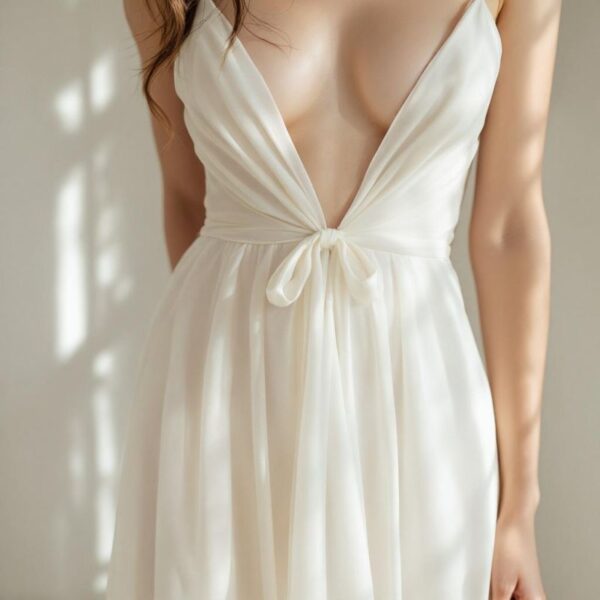
White reads differently across fabrics just as ivory does. White satin has a bright, almost luminous quality that catches and reflects light intensely. White crepe appears clean and modern with a matte finish. White tulle looks crisp and fresh when layered. White lace can read as slightly cool depending on the thread colour. The brightness of white is most intense in smooth, reflective fabrics like satin and becomes softer in matte and textured materials. Consider how the fabric's finish interacts with the shade when making your choice.

White in Photographs

White is brighter than ivory in photographs, which can be both an advantage and a consideration. In well-lit settings, white photographs with crisp, clean clarity. In very bright conditions, particularly direct sunlight, white can blow out slightly in photographs, losing detail in the brightest areas. A good photographer manages this through exposure and lighting adjustments. In evening and indoor settings, white maintains its brightness under artificial light. If you choose white, discuss the lighting conditions with your photographer so they can plan accordingly.


Historically, white was the original bridal colour, popularised by Queen Victoria in 1840. Over the past few decades, ivory has overtaken white as the most common bridal shade because it flatters a wider range of skin tones. Both are entirely traditional. If you prefer white, it's the original bridal colour and there's nothing non-traditional about choosing it.
It depends on your skin tone. Very fair, cool-toned skin can sometimes appear paler next to bright white. Warm-toned skin may find white creates a less flattering contrast than ivory. Deeper skin tones often look stunning in white because the brightness creates a clean, striking contrast. The only reliable way to know is to try both shades against your skin during your appointment. Hold white and ivory fabrics next to your face in natural light and the answer becomes clear.
Mixing shades can be noticeable and is generally best avoided unless it's intentional. A white dress with an ivory veil will show the shade difference, particularly in photographs. If you choose a white dress, try to match your accessories in white as well. Some brides don't mind a slight variation, but others find it distracting once they notice it. Check all pieces together in daylight before your wedding day.
Many designers offer their dresses in both ivory and white, though ivory is more commonly stocked as a sample. If you want white, your stylist can check availability with the designer when ordering. Some designers produce a "diamond white" or "natural white" that sits between pure white and ivory, offering a softer brightness. Ask about shade options during your appointment.
White shows marks and discolouration more readily than ivory because there's no warm undertone to mask minor staining. Handle the dress with clean hands, keep it away from makeup and food, and store it in a garment bag. On the day, the same care applies to any bridal shade. Professional cleaning after the wedding will address any marks that accumulate during the day.
White suits any style of wedding. It looks particularly striking in modern, minimalist settings where the clean brightness of the fabric complements a pared-back aesthetic. It also works beautifully for winter weddings where the contrast against dark seasonal surroundings creates a dramatic effect. For outdoor summer weddings, be mindful that bright white in direct sunlight can photograph very brightly; your photographer can manage this.

Ready to Find Your White Wedding Dress?

Book a personal styling appointment at our South London boutique
magnifiercrosscross-circle