Plus Size
Accessories
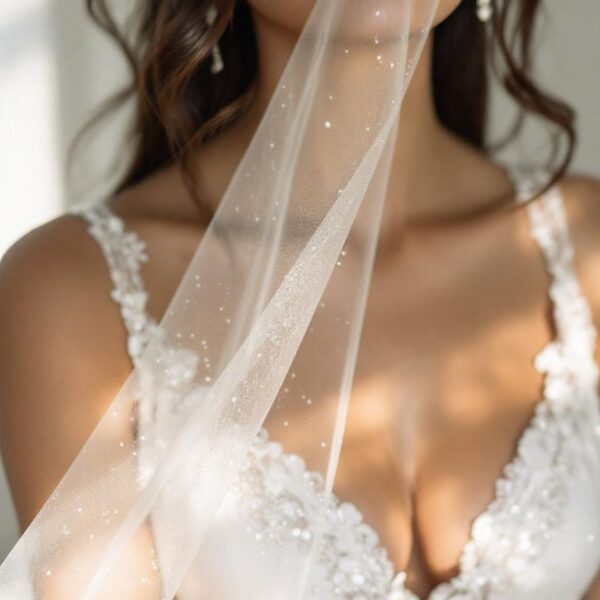
Embroidery wedding dress detail at London Bride, South London

Embroidered Wedding Dresses

Artistry stitched into every detail
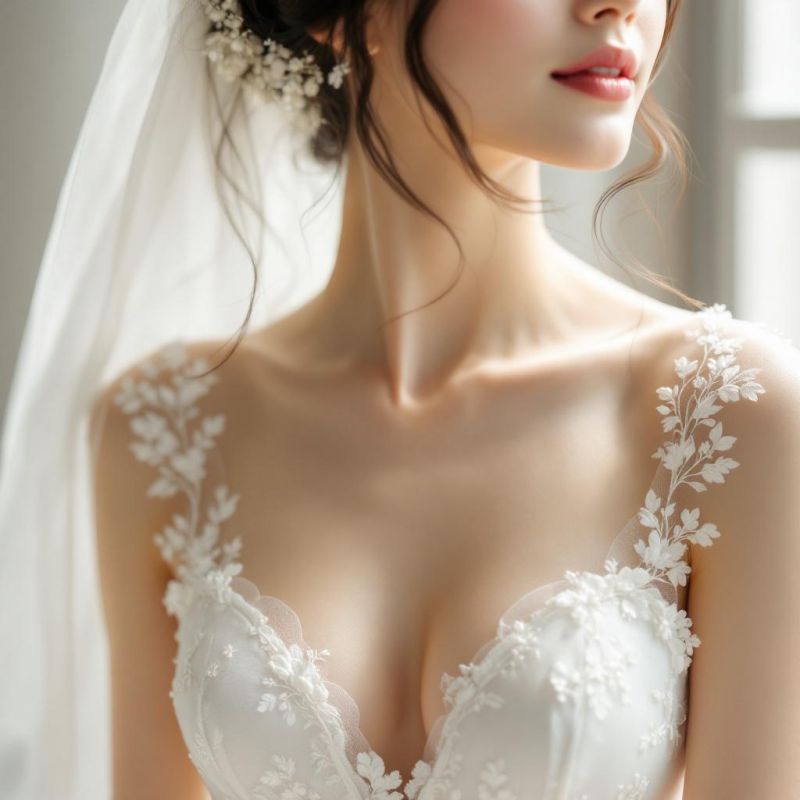
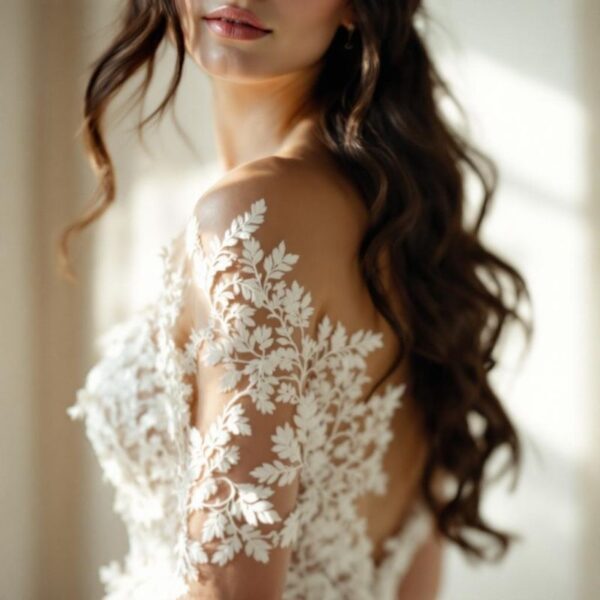
Embroidery brings a hand-crafted, artisanal quality to a wedding dress that feels personal and considered. Whether it's floral motifs trailing across a bodice, geometric patterns on a hemline, or delicate threadwork on illusion sleeves, embroidery adds texture and storytelling to the fabric. At London Bride, our embroidered collection features gowns with both machine and hand-finished embroidery, each one offering a level of detail that rewards close inspection.

The Art of Embroidered Wedding Dresses

Read more Show less

Embroidery vs Lace vs Applique

These terms are related but distinct. Lace is a fabric created entirely from thread, with an open, net-like structure. Embroidery is decoration stitched onto an existing fabric, adding pattern and texture to a solid or sheer base. Applique is a separate piece of fabric or lace attached to the dress surface. Many dresses combine all three: lace fabric with embroidered details and appliqued motifs. Understanding the distinction helps you articulate what you like when you see it, making your stylist's job easier.

Embroidery Styles in Bridal

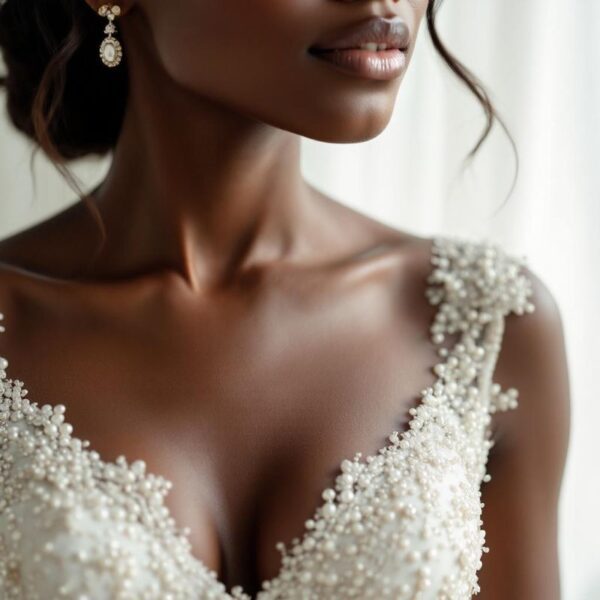
Bridal embroidery ranges from delicate, barely-there threadwork to bold, three-dimensional designs. Flat embroidery sits flush with the fabric surface for a subtle, tonal effect. Raised embroidery builds dimension through layered stitching. Thread embroidery uses coloured or metallic threads for pattern. Beaded embroidery combines stitching with beads for added sparkle. 3D embroidery creates floral or leaf shapes that stand away from the fabric, adding dramatic texture. Each approach creates a completely different visual and tactile effect.

Personalisation Through Embroidery

One of the most meaningful applications of embroidery in bridal is personalisation. Some brides have initials, a wedding date, or a short phrase embroidered on the inside of the bodice or hem. Others add a small motif that carries personal significance: a flower associated with their family, a symbol that represents their relationship, or a patch of lace from a mother's or grandmother's dress. These hidden details add emotional depth to the dress that only the bride knows about, making the gown uniquely hers.


Thread embroidery adds minimal weight. Beaded embroidery adds more depending on the density of the beads. Allover heavy embroidery can make a noticeable difference to the dress's total weight. Concentrated embroidery on just the bodice or sleeves keeps the impact minimal. If weight is a concern, thread-only embroidery and scattered beaded details are lighter options.
Yes. A skilled bridal seamstress or embroiderer can add custom embroidery to an existing dress. This could be a personalised detail inside the hem, decorative stitching around the neckline, or appliqued motifs on the skirt. Discuss the option with your alterations team to understand what's possible within your timeline and budget.
Raised or 3D embroidery can catch on things more easily than flat stitching. Be mindful of rough surfaces, car doors, and tight spaces. Flat embroidery is very durable and unlikely to snag. Your seamstress will check all embroidered areas at fittings and secure any loose threads or vulnerable points.
Embroidery creates texture and shadow in photographs that adds depth to the dress. Close-up detail shots show the craftsmanship beautifully. From a distance, embroidery reads as subtle pattern and dimension. Metallic or beaded embroidery catches light for added sparkle in photographs. The three-dimensional quality of embroidery means it photographs differently from flat-printed or woven patterns.
Hand embroidery is more time-consuming and typically more expensive, with a slightly irregular, artisanal quality. Machine embroidery is more precise and consistent. Both can be beautiful. Most designer bridal gowns use a combination: machine embroidery for the base pattern with hand-finished details for dimension. The quality of the design and materials matters more than whether it was done by hand or machine.
Absolutely. Custom embroidery is one of the most popular ways to personalise a wedding dress. Common options include initials or a monogram on the inside of the bodice, the wedding date stitched into the hem, or a small meaningful symbol. Some brides have "something blue" embroidered in blue thread inside the dress. Discuss personalisation ideas with your alterations team when you begin fittings.

Ready to Find Your Embroidery Wedding Dress?

Book a personal styling appointment at our South London boutique
magnifiercrosscross-circle