Plus Size
Accessories
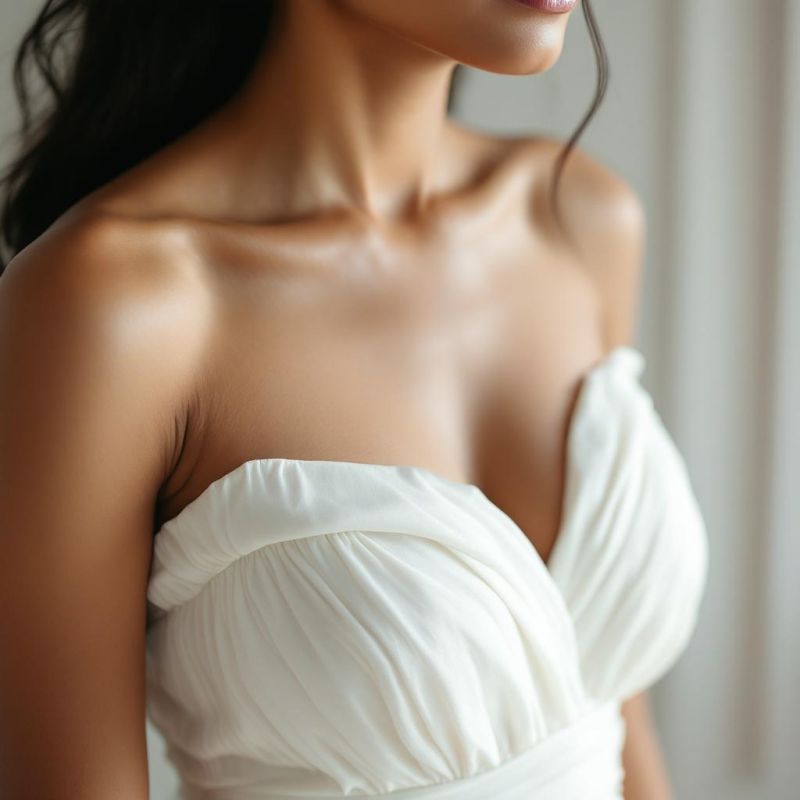
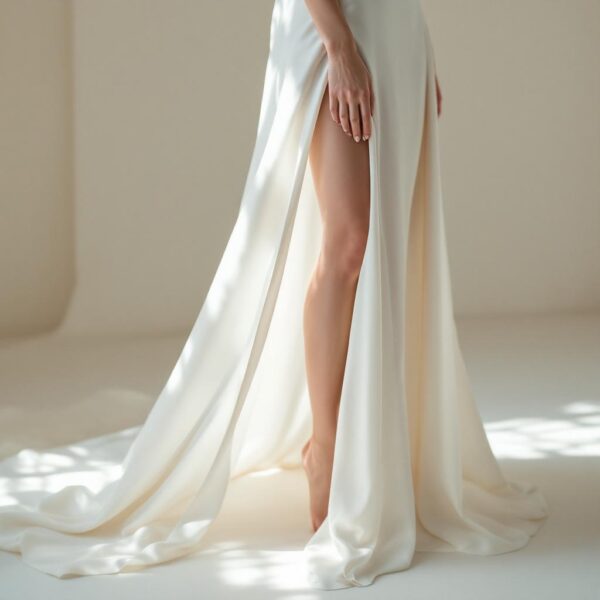
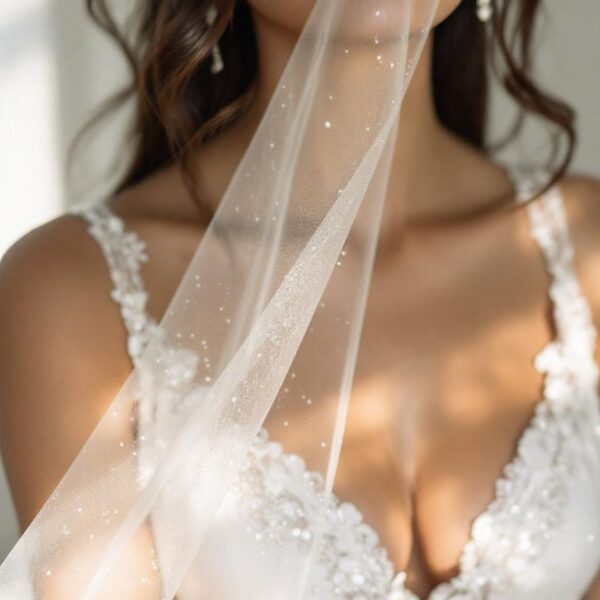
Ruching wedding dress detail at London Bride, South London

Ruched Wedding Dresses

Soft gathered texture that flatters and flows
Ruching is one of bridal fashion's most flattering techniques, using carefully gathered fabric to create soft, sculpted folds across the bodice, waist or skirt. The textured pleating adds visual interest while gently smoothing the silhouette, making ruched wedding dresses a popular choice for brides who want elegant structure without stiffness. At London Bride, our collection includes beautifully ruched gowns that balance classic craftsmanship with modern design.

Your Guide to Ruched Wedding Dresses

Read more Show less

How Ruching Flatters Every Figure

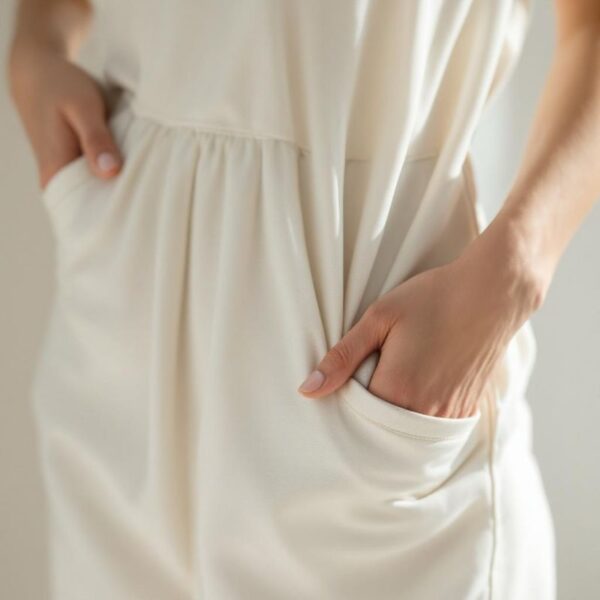
Ruching works by gathering fabric into soft folds that skim over the body rather than clinging to it. This makes it one of the most universally flattering dress details available. The gathered texture draws the eye along the lines of the pleating rather than focusing on any single area, creating a smooth, sculpted look. Ruching is particularly effective across the bodice and waist, where it can define the waistline while offering comfortable, forgiving coverage. It works beautifully on all body types and is especially popular with brides who want structure without rigid boning.

Where to Find Ruching on a Wedding Dress

Ruching can appear across different parts of a gown depending on the design. Bodice ruching is the most common, creating a wrapped, draped effect across the torso that adds dimension to simpler silhouettes. Asymmetric ruching gathers fabric diagonally, often flowing from one shoulder or hip, adding movement and a modern edge. Skirt ruching creates soft cascading texture that catches light beautifully in photographs. Some designs feature ruching at the back only, creating a bustle-like effect that adds interest from behind while keeping the front clean and minimal.

Fabrics That Ruche Beautifully

Not every fabric gathers equally well. Soft, pliable fabrics like chiffon, tulle and organza create delicate, romantic ruching with light, airy folds. Satin and taffeta produce more structured, defined pleats with a polished finish. Crepe sits somewhere in between, offering clean gathered lines without too much volume. Your stylist can help you understand how different fabrics will ruche and which texture works best for your chosen silhouette and overall look.


No, ruching typically has a slimming effect. The gathered folds create soft texture that skims over the body rather than adding volume. The technique is specifically designed to smooth and sculpt the silhouette. On lighter fabrics like chiffon, ruching adds almost no bulk at all. On heavier fabrics like satin, the gathers are more structured but still create a streamlining effect rather than adding width.
Yes, ruched dresses tend to be very comfortable. The gathered fabric has natural give and flexibility, which means the dress moves with you rather than restricting you. Unlike heavily boned or structured bodices, ruched designs offer a softer kind of support. Many brides find that ruching across the bodice feels more forgiving than a smooth, fitted construction, especially during a long day of celebrations.
Ruching works across most silhouettes. It appears frequently on A-line and ball gown bodices, where it adds texture to the fitted upper portion while the skirt flows freely below. It also works well on mermaid and fit-and-flare styles, where the gathered fabric follows the curves of the body. Sheath dresses with all-over ruching create an elegant, column-like effect with added dimension.
Ruching photographs beautifully. The gathered folds catch light and create subtle shadows that add depth and dimension to photographs. This means a ruched dress looks dynamic and textured in photos rather than flat. The effect is particularly striking in natural light, where the interplay of light and shadow across the pleated fabric creates a naturally photogenic finish.
Ruching is a classic dressmaking technique that has been used in bridal fashion for decades. Unlike trend-driven details that come and go, gathered fabric is a timeless construction method. The key is choosing a style where the ruching feels integrated into the overall design rather than applied as a surface decoration. Well-executed ruching looks just as elegant today as it will in twenty years.
Ruched dresses should always be professionally cleaned by a specialist bridal dry cleaner who understands gathered construction. The folds can trap small particles of dirt or moisture that aren't visible, so thorough cleaning is important. For storage, the dress should be loosely packed in acid-free tissue with the ruched areas gently supported to maintain their shape. Avoid hanging long-term, as gravity can stretch the gathered fabric over time.

Ready to Find Your Ruching Wedding Dress?

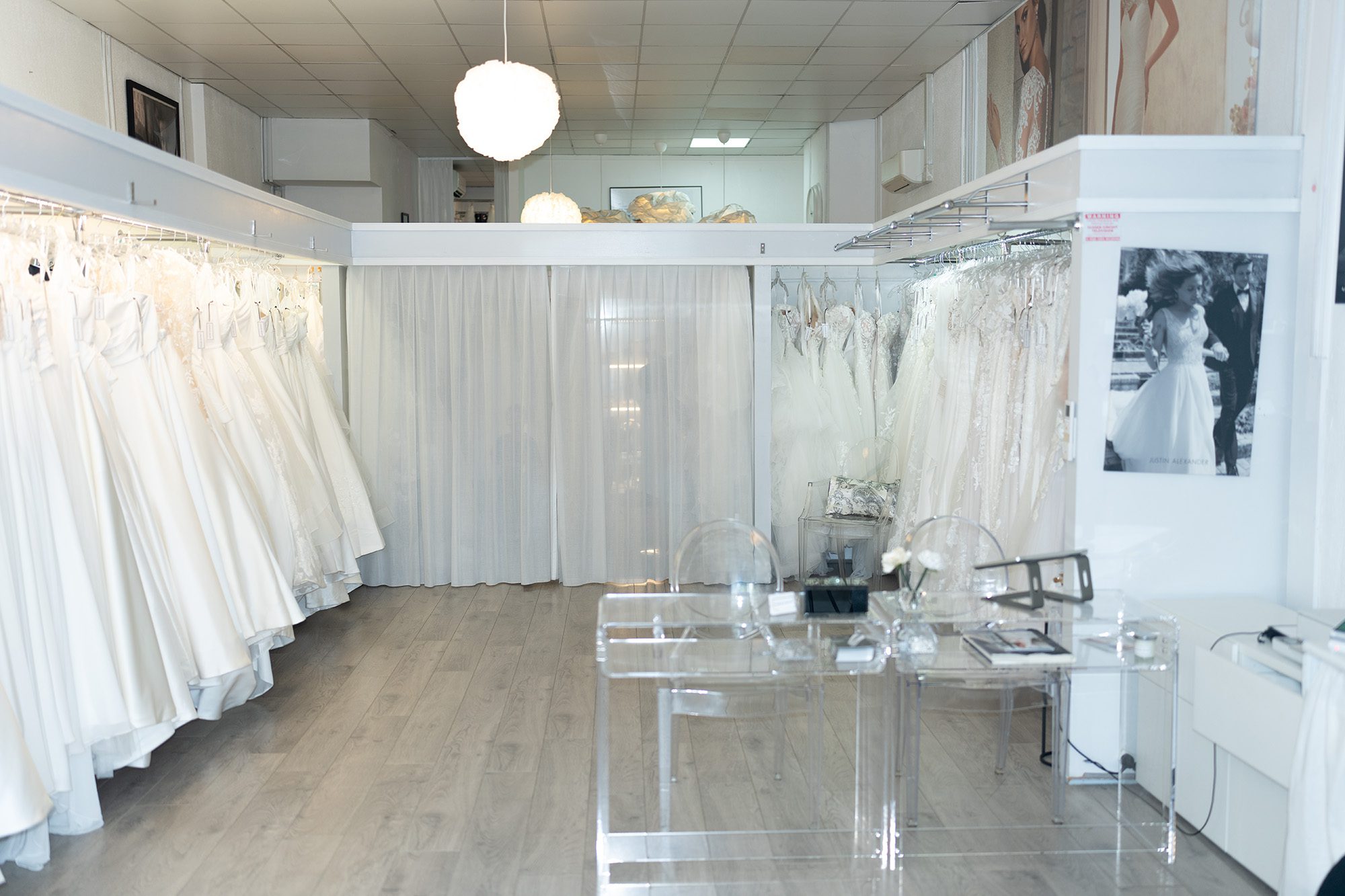
Book a personal styling appointment at our South London boutique
magnifiercrosscross-circle