Plus Size
Accessories
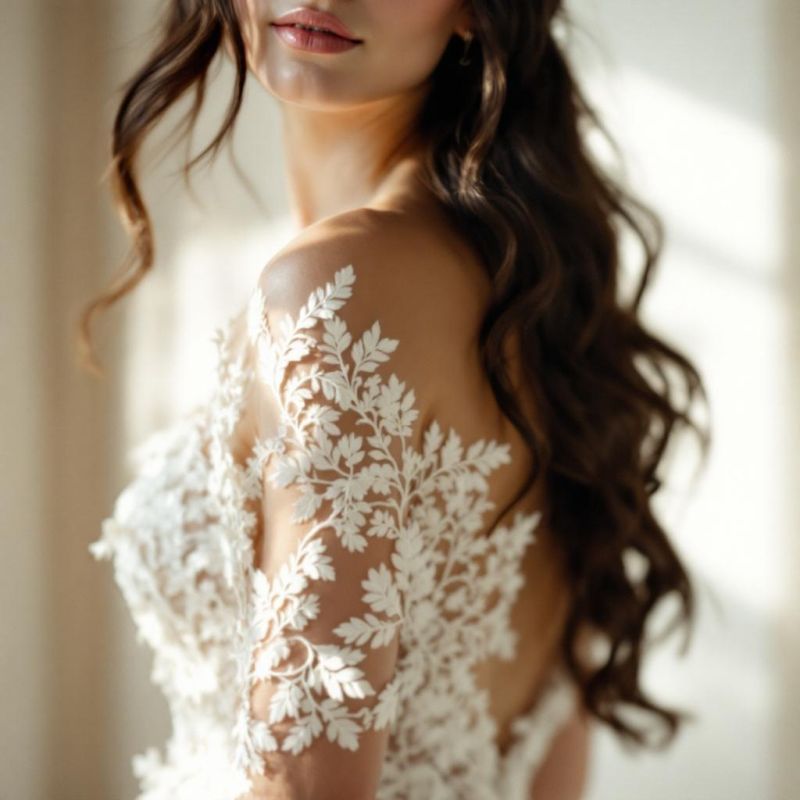
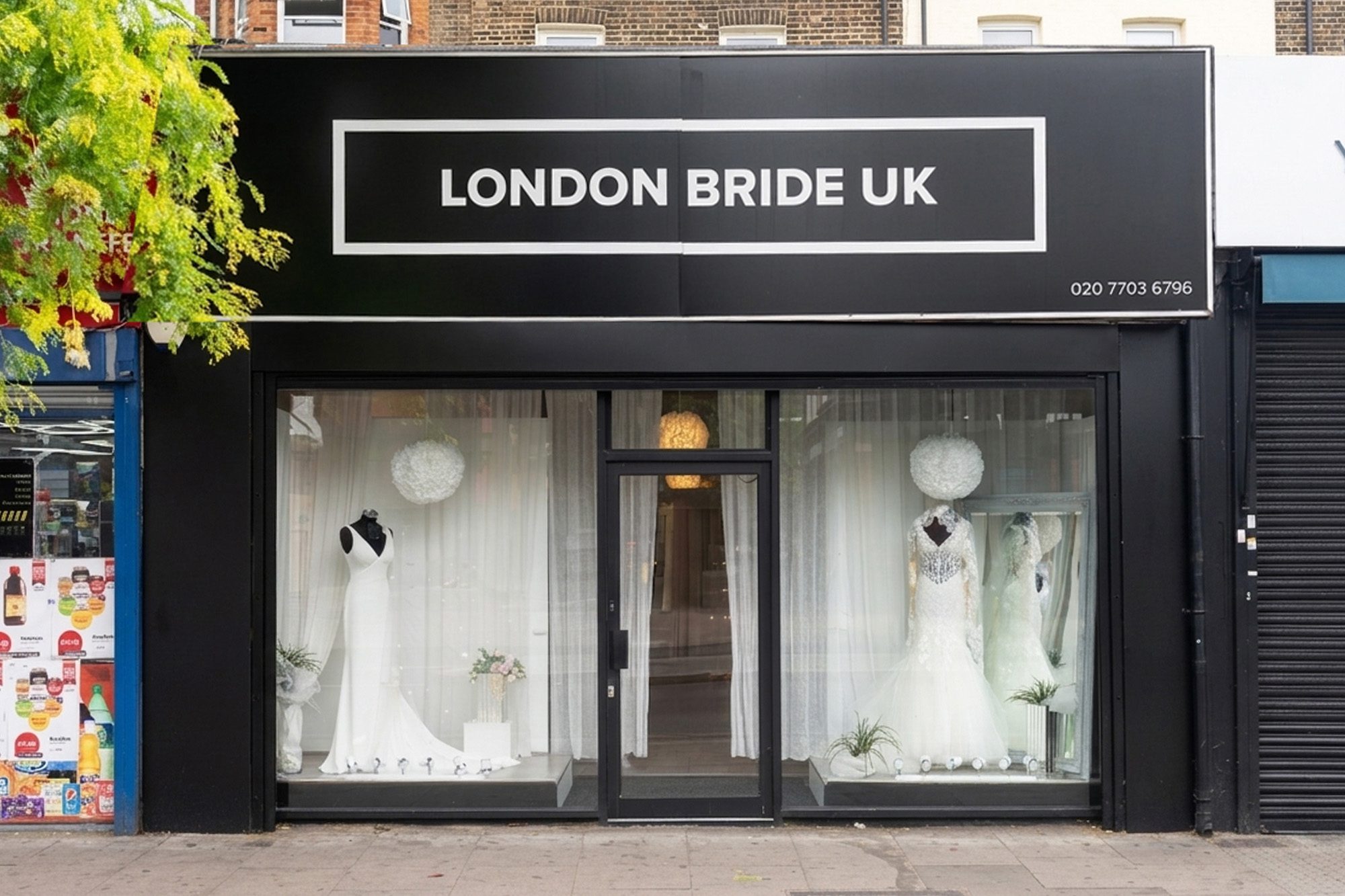
Applique wedding dress detail at London Bride, South London

Applique Wedding Dresses

Dimension and detail applied with precision
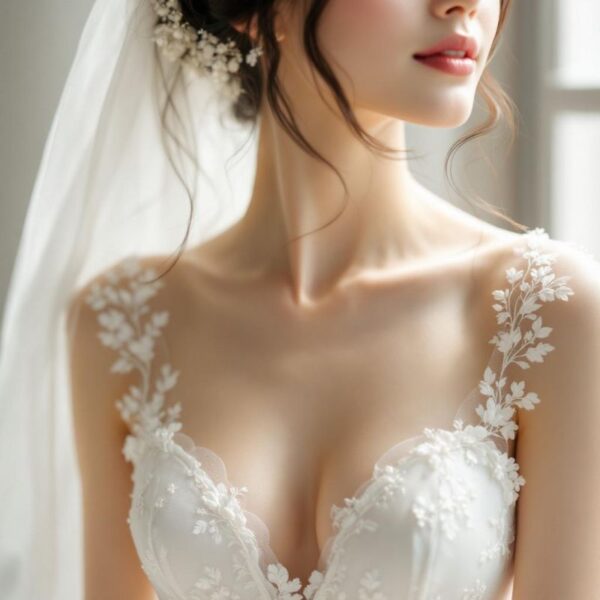
Applique describes any decorative element that's been individually cut and attached to the surface of a dress, creating dimension and visual interest on the fabric beneath. In bridal, this typically means lace motifs, floral shapes, or embroidered patches placed onto tulle, crepe, or satin, building a design that appears to grow across the dress. At London Bride, our applique collection features gowns where these individually placed elements create everything from delicate, scattered accents to dramatic, allover designs.

Understanding Applique in Wedding Dresses

Read more Show less

What Makes Applique Different

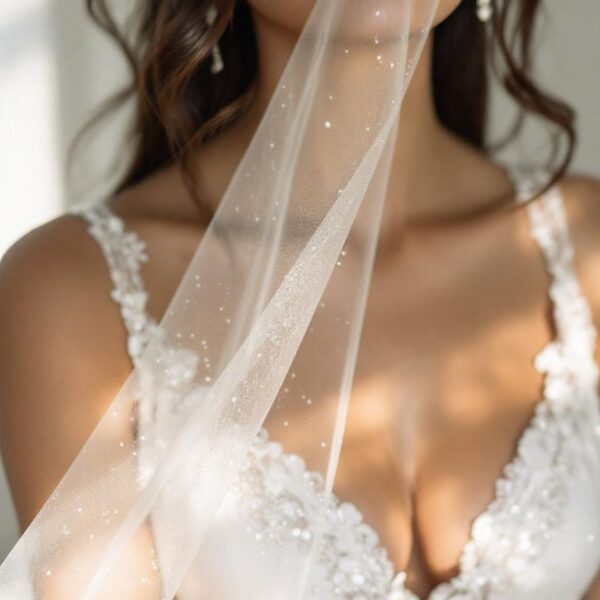
Unlike allover lace, which is a single piece of fabric, applique involves individual motifs cut from lace or embroidered pieces and attached separately to the dress surface. This allows designers to control exactly where each element sits, creating flowing, organic patterns that follow the body's contours. The motifs can be placed closely together for dense coverage or scattered widely for a lighter, more modern effect. The edges of each piece are often left free, creating subtle three-dimensional lift that adds depth.

Applique on Different Fabrics

Applique works beautifully on almost any base fabric. On illusion mesh, applique motifs appear to float on the skin, creating the most dramatic effect. On tulle, they add pattern and dimension to the soft, layered fabric. On crepe or satin, they introduce texture to a smooth surface. The base fabric determines the mood: applique on illusion feels ethereal, on satin feels luxurious, and on tulle feels romantic. Designers often use the same lace motif across different areas of the dress, from the bodice onto the skirt and train, creating visual continuity.

3D and Dimensional Applique

One of the strongest trends in recent bridal design is three-dimensional applique: floral shapes, petals, and leaves that stand away from the dress surface, creating a sculptural, textured look. These dimensional elements add drama and a handcrafted quality that photographs with striking depth. 3D applique can range from subtle, barely-raised florals to large, dramatic flower shapes that create a garden-like effect across the dress. The dimensional quality adds visual weight, so placement and density need to be considered carefully.


Flat applique sits close to the fabric surface and rarely snags. 3D or raised applique elements can catch on rough surfaces, car doors, or jewellery. Be mindful of these areas during the day. Your seamstress will secure all applique edges at fittings and can reinforce any areas that seem vulnerable to catching.
Yes. Individual lace motifs can be purchased and hand-sewn onto an existing dress. This is a popular alteration for brides who find a dress they love in a plain fabric but want to add lace detailing. The motifs can be placed anywhere: along the neckline, across the bodice, down the train, or scattered across the skirt. Your seamstress can source motifs and plan the placement with you.
Individual lace applique is very lightweight. Dense, allover applique with beading can add noticeable weight, particularly on a long dress with a train. Scattered applique has minimal weight impact. 3D floral applique adds slightly more weight than flat motifs. Overall, applique is lighter than allover beading and comparable to allover lace in terms of weight.
Exceptionally well. The individually placed motifs create depth and shadow that add dimension to photographs. On illusion fabric, the floating effect is particularly striking in close-up shots. 3D applique casts beautiful shadows in natural light. From a distance, applique reads as texture and pattern; up close, the craftsmanship of each individually placed piece becomes visible.
Applique involves attaching pre-made pieces, usually lace or fabric motifs, onto the dress surface. Embroidery involves stitching directly onto the fabric to create patterns. Both add decoration, but the techniques and effects are different. Applique creates distinct, individual elements on the surface. Embroidery is integrated into the fabric itself. Many dresses combine both: appliqued lace motifs with embroidered details added on top.
In theory, yes, but it's a delicate process. Each motif is individually stitched and removing them can leave holes or marks on the base fabric. If you're considering a dress with the intention of removing some applique, discuss the feasibility with your seamstress before purchasing. It's easier to add applique than to remove it cleanly.

Ready to Find Your Applique Wedding Dress?

Book a personal styling appointment at our South London boutique
magnifiercrosscross-circle