Plus Size
Accessories

Wedding Dresses by Fabric

The fabric determines how your dress moves, drapes, and feels against your skin
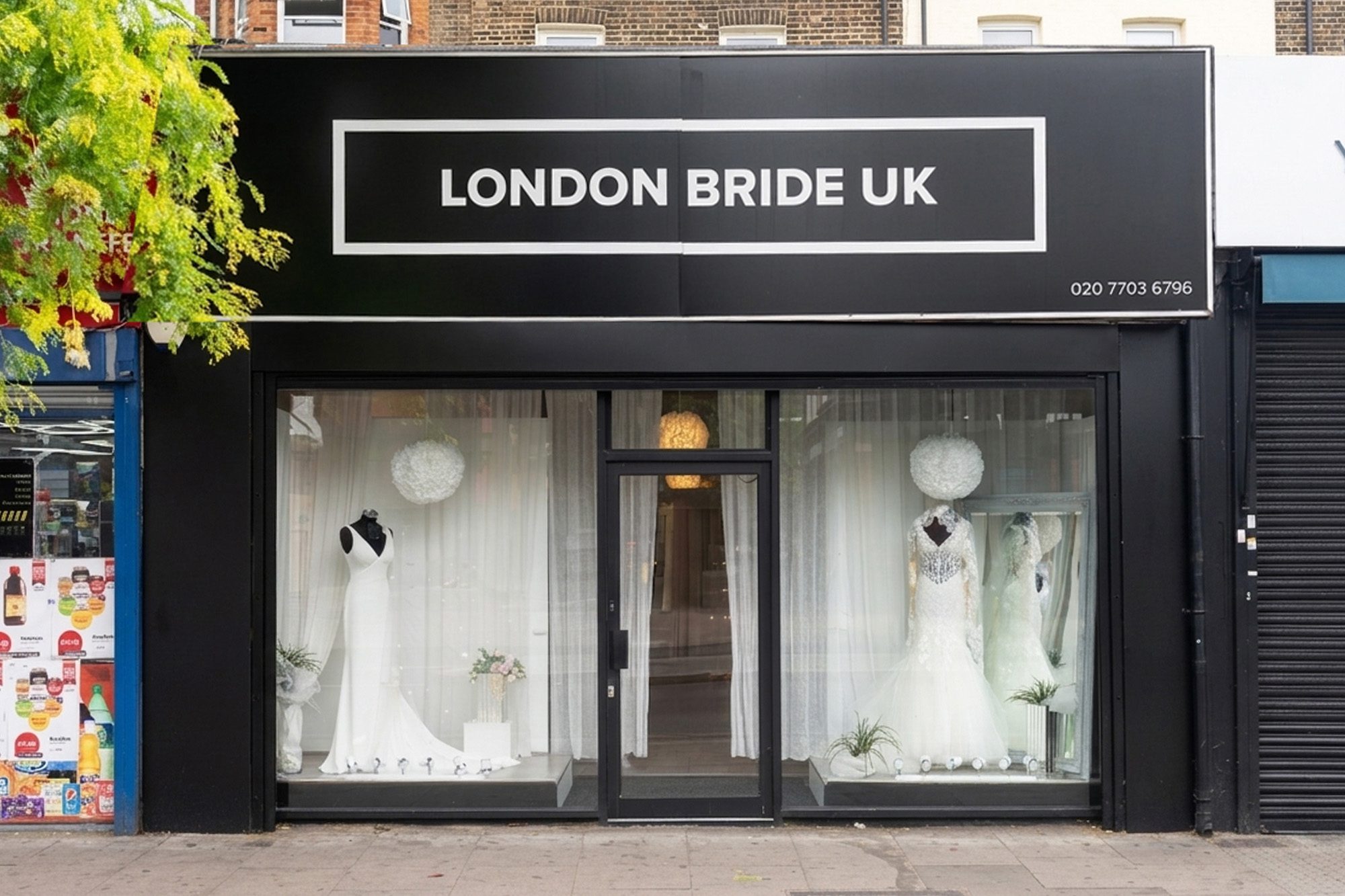
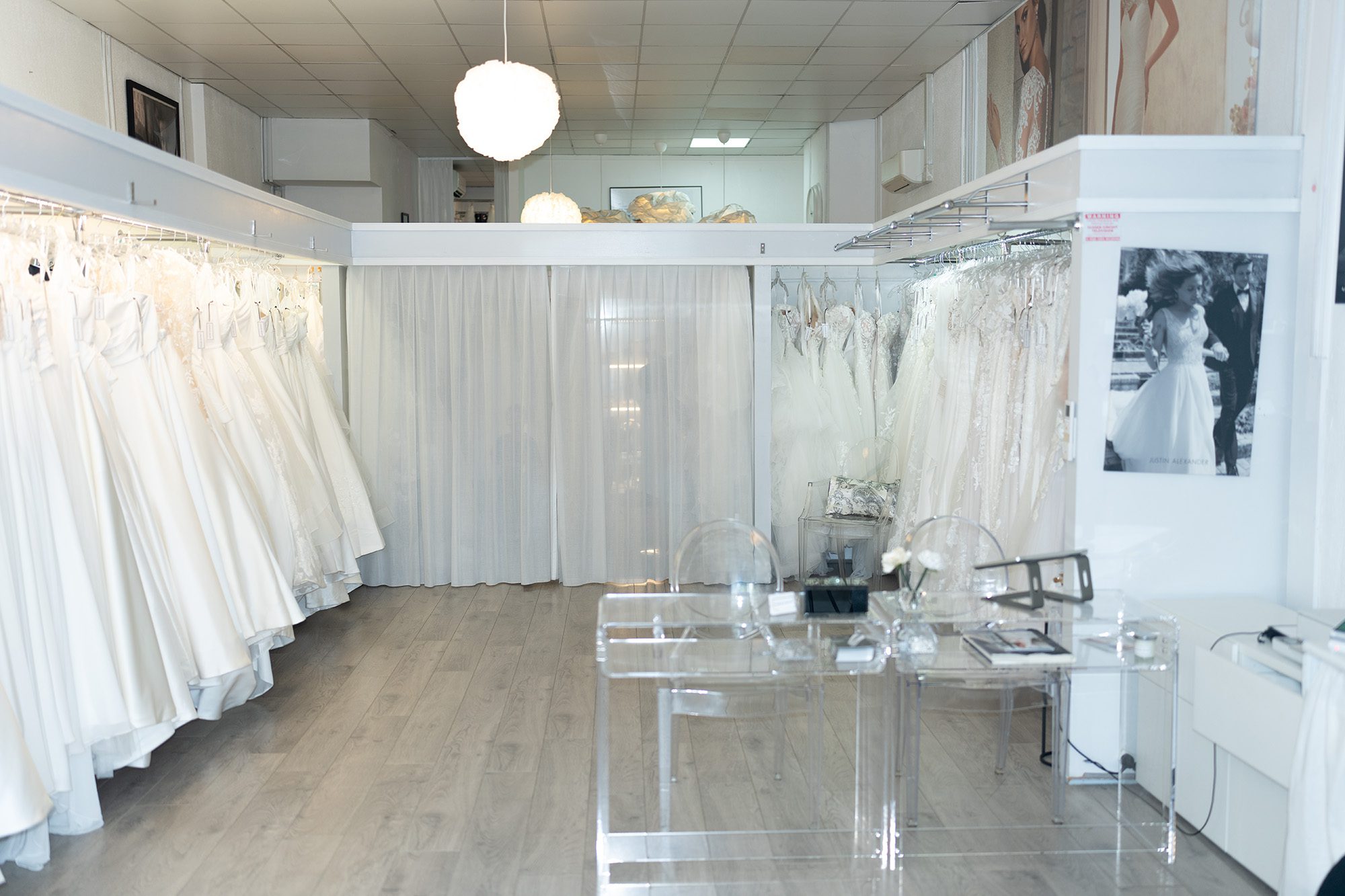
Fabric is one of the most important choices you'll make when selecting your wedding dress, even if it doesn't get the same attention as silhouette or neckline. It affects how the dress hangs, how it moves when you walk, how it photographs, and how comfortable you feel throughout the day. From the structured sheen of satin to the soft flow of chiffon, each fabric brings a different character to the same silhouette. Browse the fabrics available at London Bride's South London boutique below.

Understanding Wedding Dress Fabrics

Read more Show less

Structured vs Flowing Fabrics

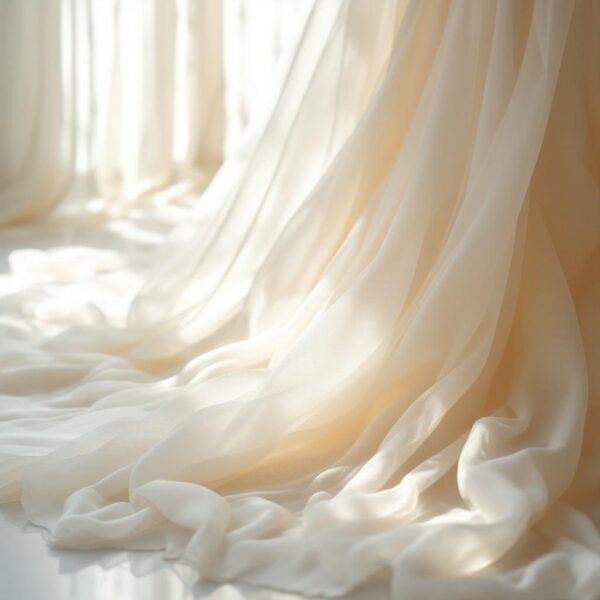
Wedding dress fabrics broadly fall into two categories: structured and flowing. Structured fabrics like satin, mikado, and organza hold their shape and create clean lines and dramatic silhouettes, making them ideal for ball gowns and fitted styles. Flowing fabrics like chiffon, tulle, and soft crepe drape more loosely and create movement, suiting A-line, boho, and sheath designs. Understanding this distinction helps you narrow your search based on the overall look you're after.

Fabric and Season

Some fabrics suit certain seasons better than others. Heavier fabrics like satin and mikado feel luxurious and warm, making them well-suited to autumn and winter weddings. Lighter fabrics like chiffon and tulle are more breathable and comfortable for spring and summer ceremonies, especially outdoors. Lace works across all seasons depending on how it's used and what it's layered over. Our stylists can guide you toward fabrics that will keep you comfortable on the day.

How Fabric Photographs

Fabric choices have a significant impact on photography. Satin and mikado catch the light and create a luminous, polished look in photos. Matte fabrics like crepe photograph more subtly, with a smooth, modern feel. Lace adds texture and depth that cameras pick up beautifully, while tulle creates a soft, romantic quality. If how your dress photographs is important to you, it's worth discussing fabric choices with your stylist at your appointment.


Comfort varies by person, but chiffon and soft crepe are widely considered among the most comfortable fabrics because they're lightweight and move with your body. Satin can feel heavier but is smooth against the skin. Trying dresses in different fabrics is the best way to find what feels right for you.
Mikado is a structured, slightly thick bridal fabric with a subtle sheen. It's smoother and less glossy than traditional satin, creating clean, architectural lines. It's popular for modern, minimalist wedding dresses and holds its shape exceptionally well.
Not at all. Lace is one of the most versatile bridal fabrics and is used in everything from vintage-inspired designs to very modern, contemporary dresses. The way the lace is applied, the pattern, and the overall design of the dress all influence how traditional or modern it feels.
Modern bridal tulle is soft and comfortable against the skin. It's much finer and lighter than the stiff tulle you might associate with fancy dress costumes. Quality bridal tulle drapes beautifully and shouldn't cause any irritation.
Yes, many wedding dresses combine two or more fabrics. A lace bodice with a tulle skirt is one of the most common combinations. Mixing fabrics creates visual interest and allows different parts of the dress to serve different functions in terms of structure and movement.
Yes, our South London boutique carries dresses in all major bridal fabrics, including lace, satin, tulle, chiffon, crepe, organza, and mikado. You're welcome to try dresses in different fabrics during your appointment to feel the difference for yourself.

Ready to Find Your Wedding Dress?

Book a personal styling appointment at our South London boutique
magnifiercrosscross-circle