Plus Size
Accessories
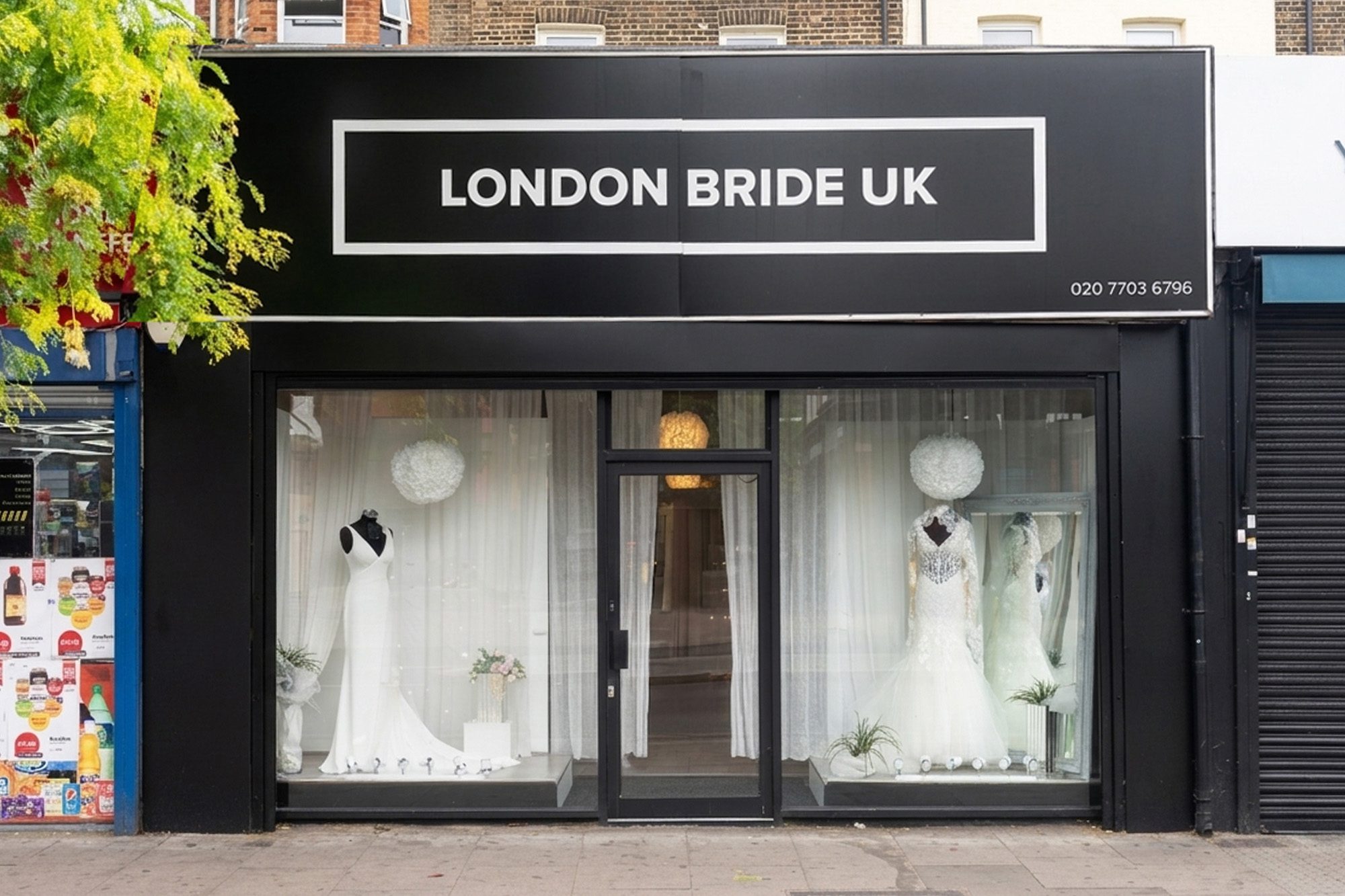
Lace wedding dress fabric at London Bride, South London

Lace Wedding Dresses

Timeless texture with depth and romance
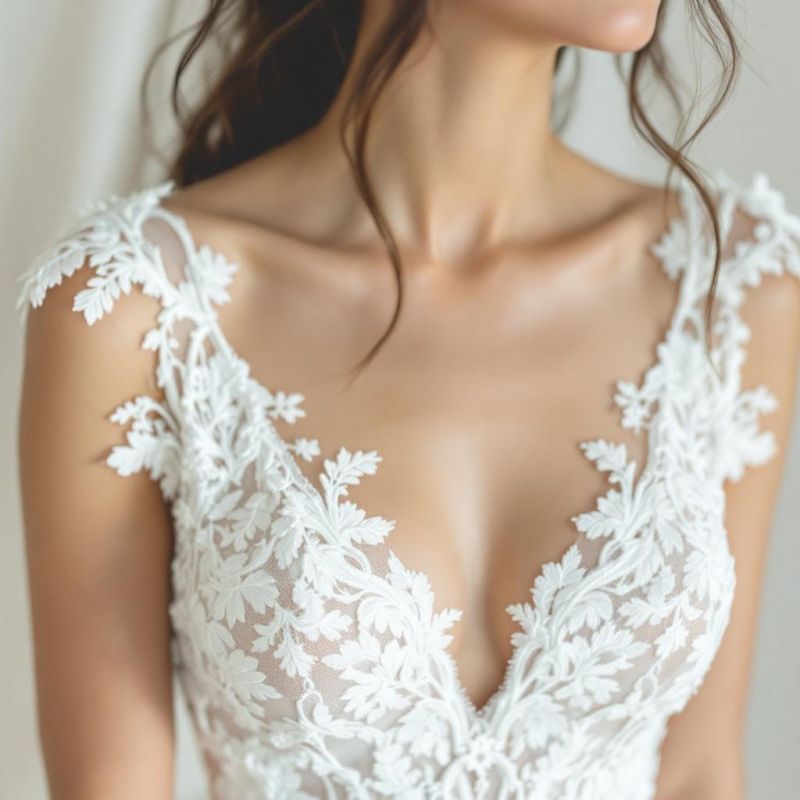
Lace remains the most sought-after fabric in bridal design. Its ability to create texture, depth, and pattern while maintaining a sense of delicacy is unmatched. From allover lace gowns to dresses with lace accents at the bodice, sleeves, or hem, this fabric adds a romantic, handcrafted quality that other materials can't replicate. At London Bride, our lace collection features multiple lace types across every silhouette, each chosen for its quality, pattern, and how it drapes and wears throughout the day.

Understanding Lace in Wedding Dresses

Read more Show less

Types of Bridal Lace

Not all lace is the same. Chantilly lace is fine and delicate with soft, eyelash-like edges, ideal for romantic, ethereal gowns. Alencon lace features raised floral motifs on a fine net background, often re-embroidered with cord for definition. Guipure lace has a heavier, more structured quality with bold patterns and no net background, giving a modern, graphic look. Corded lace uses thicker thread outlining each motif for added dimension. Each type creates a completely different mood, so understanding lace types helps you identify what draws you in when you try dresses on.

Lace Placement and Coverage

How lace is used on a dress matters as much as the lace itself. An allover lace gown creates a cohesive, richly textured look from neckline to hem. Lace bodice with a plain skirt combines texture on the upper body with clean lines below. Lace applied to illusion mesh creates a floating effect where the motifs appear on bare skin. Scattered lace appliques offer a lighter, more contemporary alternative to allover lace. Hemline lace adds a finishing detail that shows during movement and in photographs. Each placement approach changes the dress's character significantly.

How Lace Photographs

Lace photographs with exceptional depth because of the interplay between the raised pattern and the background fabric or skin beneath it. In natural light, lace creates beautiful shadow patterns. In close-up shots, the craftsmanship and detail become visible. From a distance, lace reads as texture and softness. This multi-scale quality means lace dresses look beautiful in every type of wedding photograph, from full-length shots to intimate details. Lighter lace colours on a nude or champagne lining create a particularly striking contrast in photographs.


The main differences are weight, pattern definition, and background. Chantilly lace is lightweight with soft edges and a fine net background. Alencon lace has more defined, often re-embroidered motifs on net. Guipure lace is heavier with bold patterns and no net, giving a more modern look. Corded lace uses thicker outlining thread for raised definition. Your stylist can show you the differences in person, which makes it much easier to see which type appeals to you.
Quality bridal lace should not be itchy. Better laces are made from soft threads and are typically lined with smooth fabric so the lace doesn't sit directly against the skin. If a lace dress feels rough when you try it on, it may be a lower-quality lace or may need a different lining. During your appointment, pay attention to how the lace feels against your skin, particularly at the neckline, underarms, and anywhere it makes direct contact.
It depends on the type. Classic lace patterns like florals and scalloped edges are timeless and look as elegant now as they will in decades. Very trend-specific lace applications, like certain 3D floral treatments, may feel more tied to a particular era. If longevity matters to you, choose a traditional lace type and pattern. Lace as a fabric has been used in bridal for centuries, so it has a track record of enduring relevance that few other materials can match.
Yes, and this is very common. Lace bodice with a satin or crepe skirt is a classic combination. Lace sleeves on a tulle gown add romance to an airy silhouette. Lace appliques on a plain fabric dress add detail without committing to an allover lace look. Mixing fabrics creates visual interest and allows you to control how much texture appears on different parts of the dress.
Lace is more durable than it appears, but some types are more vulnerable than others. Fine Chantilly and soft tulle-based laces can snag on sharp jewellery, rough surfaces, or grab-and-pull handling. Heavier laces like guipure are quite robust. Treat lace with reasonable care, avoiding rough surfaces and sharp edges, and it will hold up throughout the day. Your seamstress will check the lace condition at each fitting and reinforce any vulnerable areas.
Soft, flowing laces work best for boho aesthetics. Chantilly lace with its delicate, eyelash edges creates a romantic, free-spirited look. Cotton lace offers a more rustic, handmade feel. Crochet-style lace adds texture without formality. For a boho dress, the lace should feel relaxed rather than structured, so avoid very stiff or heavily corded options. Your stylist can pull boho-appropriate lace options specifically if you let them know the style you're after.

Ready to Find Your Lace Wedding Dress?

Book a personal styling appointment at our South London boutique
magnifiercrosscross-circle