Plus Size
Accessories
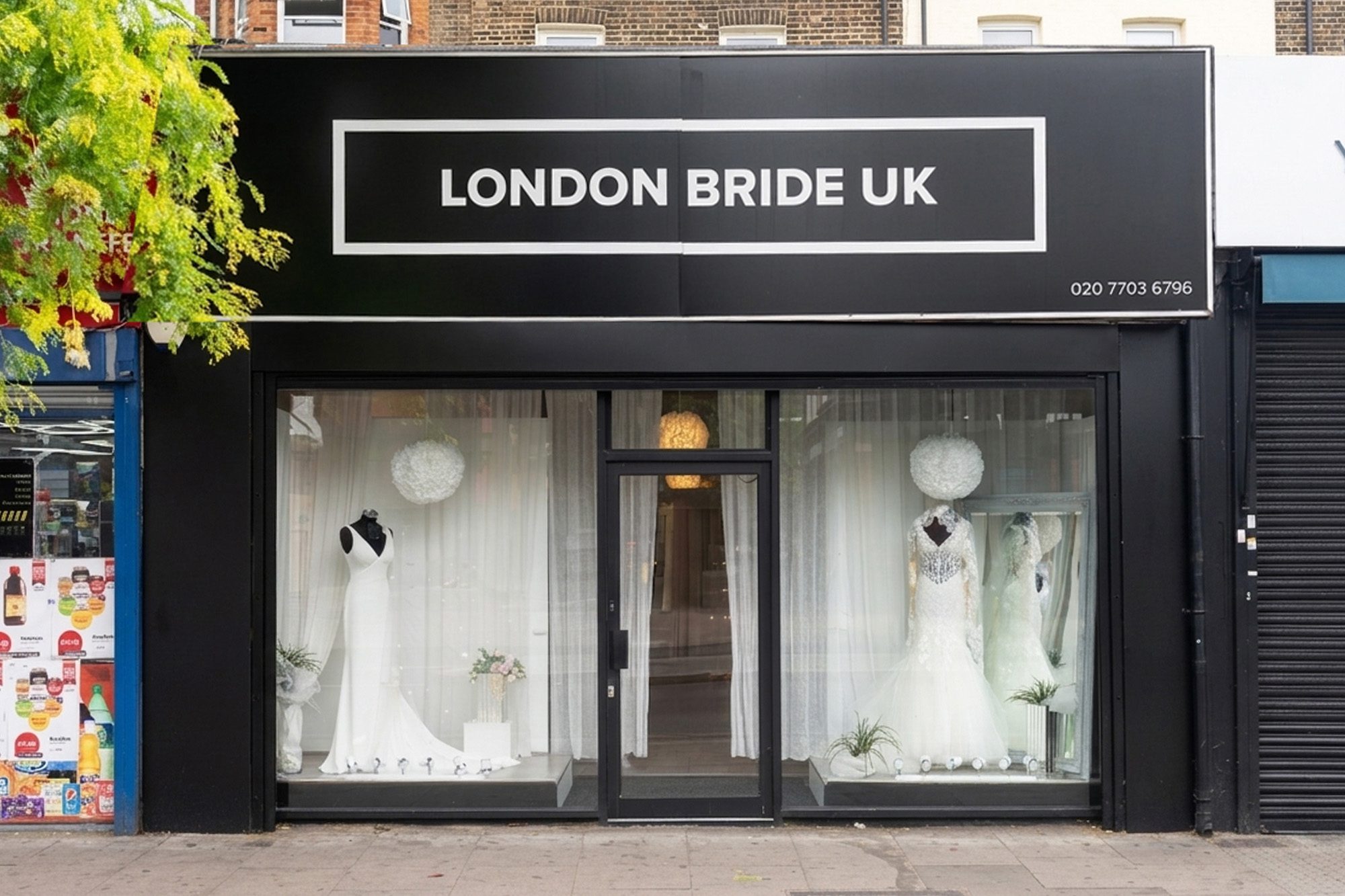
Satin wedding dress fabric at London Bride, South London

Satin Wedding Dresses

Luminous, luxurious, and unmistakably bridal
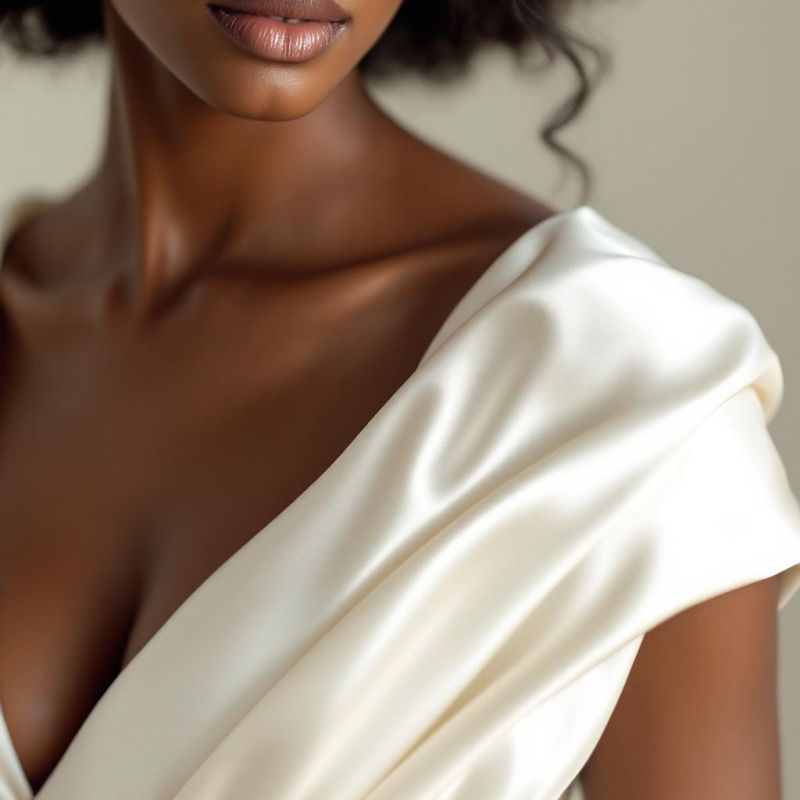
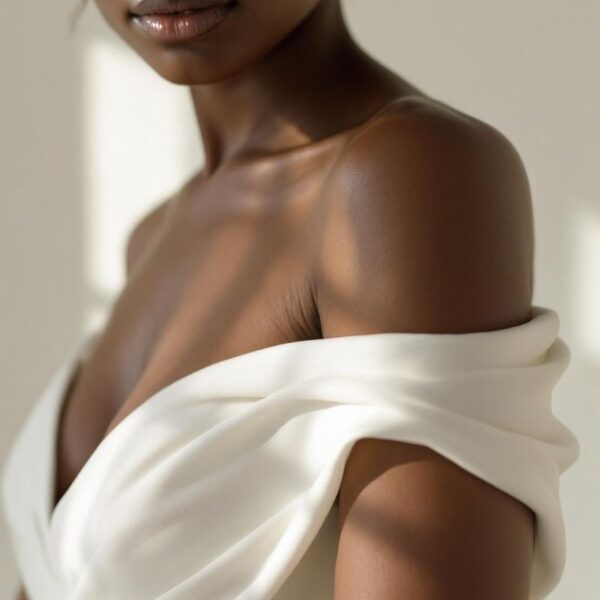
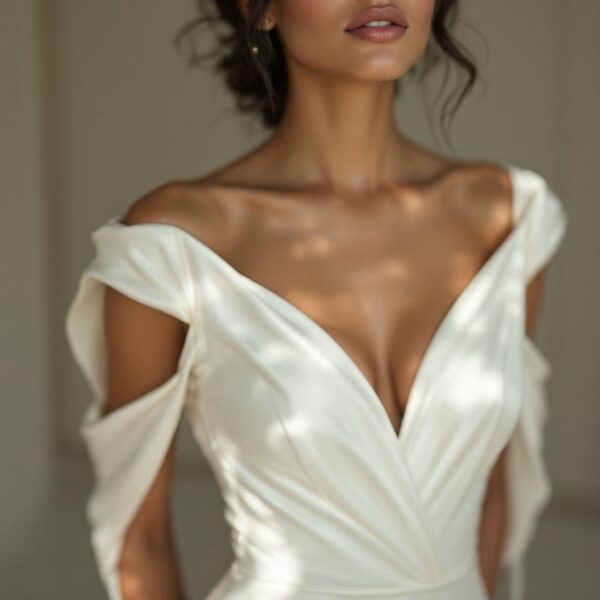
Satin is bridal luxury in its purest form. The smooth, light-catching surface creates a luminous quality that photographs with stunning clarity, making every movement and fold visible. It drapes with weight and structure, holding silhouettes beautifully from fitted sheaths to dramatic ball gowns. At London Bride, our satin collection features gowns in varying weights and finishes, from the heavy lustre of duchess satin to the softer drape of charmeuse, each one delivering that unmistakable satin glow.

What Makes Satin Special

Read more Show less

Types of Bridal Satin

Duchess satin is the heaviest and most structured, with a rich lustre and the ability to hold dramatic shapes like ball gowns. It's the fabric that creates those sweeping, sculptural silhouettes. Mikado (sometimes classed separately) is similar but with a slightly matte, textured surface. Charmeuse is lighter and drapier, falling softly against the body for slip dress and bias-cut styles. Crepe-back satin offers two finishes: a shiny satin face and a matte crepe reverse, giving designers versatility in a single fabric. Each type handles light and movement differently.

How Satin Catches Light

Satin's signature quality is its interaction with light. The smooth, woven surface reflects light in a way that creates bright highlights and deep shadows, giving the fabric a three-dimensional quality in photographs. This means every fold, drape, and movement is visible and dramatic. In candlelit or evening settings, satin glows. In natural daylight, it shines. This light-catching quality is why satin has remained the go-to fabric for brides who want a dress that looks luxurious from every angle and in every photograph.

Practical Considerations with Satin

Satin shows everything. Wrinkles, creases, water spots, and any imperfection in the fabric surface will be visible. This means the dress needs to be stored carefully before the wedding and handled with clean hands. Steaming rather than ironing is essential for removing creases. The smooth surface can also show every bump and line beneath, so the right undergarments and precise fit are critical. These aren't reasons to avoid satin, just factors to plan for. A well-fitted, carefully handled satin dress looks absolutely spectacular.


Satin's smooth surface does show what's underneath more than textured fabrics like lace or tulle. This means seamless undergarments are important, and the bodice fit needs to be precise. A well-constructed satin dress with internal boning and quality lining smooths the silhouette effectively. Heavier satins like duchess are more forgiving than thinner charmeuse because the weight holds the shape rather than clinging to the body.
Satin can crease, particularly thinner varieties. The dress should be hung properly before the wedding and steamed on the day if needed. Sitting for extended periods will create creases at the back and lap, which is normal and expected. Heavier satins resist wrinkling better than lighter ones. Your seamstress and venue coordinator can advise on storage and transport to minimise creasing before the ceremony.
Heavier satins like duchess can feel warm in hot weather. Lighter satin options like charmeuse are more breathable and comfortable in summer. The fabric doesn't absorb moisture well, so perspiration can show as marks on certain finishes. For a summer wedding, choose a lighter-weight satin and consider the venue temperature. An air-conditioned indoor reception is more comfortable in satin than a marquee in direct sun.
Satin works across all silhouettes but excels in designs that show off its lustre and drape. Ball gowns in duchess satin hold their shape magnificently. A-lines show the fabric's weight and movement beautifully. Slip dresses in charmeuse create an elegant, fluid silhouette. Structured fit-and-flare shapes in heavier satin show the body's curves with a polished finish. Satin also makes trains look spectacular because the light-catching quality amplifies the trailing fabric.
Keep the dress away from water before and during the day as much as possible. If a spot occurs, let it dry naturally rather than rubbing it. A professional bridal cleaner can remove most water marks after the wedding. Avoid hairspray and makeup near the dress during getting ready. If rain is a possibility, have an umbrella or cover-up ready for the journey between car and venue.
Satin is one of the best choices for minimalist design because the fabric itself is the feature. A simple satin sheath or A-line with no embellishment relies on the quality of the fabric, the precision of the cut, and the way the fabric catches light. The result is a dress that feels luxurious and intentional without any added decoration. For minimalist brides, invest in the heaviest, best-quality satin your budget allows, because the fabric quality is visible in every photograph.

Ready to Find Your Satin Wedding Dress?

Book a personal styling appointment at our South London boutique
magnifiercrosscross-circle